
Piptatherum holciforme
Piptatherum holciforme (M. Bieb.) Roem. & Schult.
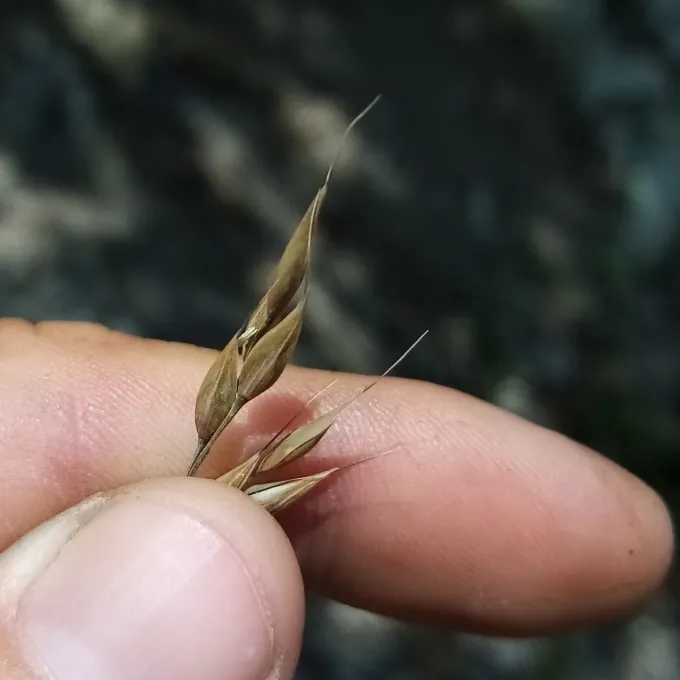
Description
Sowing dates
Piptatherum holciforme is a perennial bunchgrass belonging to the Poaceae family. It is recognized for its exceptional durability and ability to thrive in harsh, arid climates where other forage crops fail.
Sowing should ideally take place in early spring or late autumn. The seeds are relatively small, requiring a well-prepared, fine-textured seedbed to ensure proper moisture contact and successful germination.
The optimal planting depth is 2–3 centimeters. Deep sowing significantly reduces emergence rates, as the small seedlings possess limited energy reserves to reach the soil surface from greater depths.
During the first year, the crop focuses on root development, leading to slow above-ground growth. Weed management is critical during this establishment phase to prevent competition for limited resources.
Recommended seeding rates depend on environmental conditions, typically ranging from 10 to 15 kg/ha. Precision planting helps in achieving a uniform and productive stand density.
Growing requirements
This species is a true xerophyte, native to the steppes and rocky regions of Eurasia. It is exceptionally tolerant to drought and high temperatures, making it a reliable choice for semi-arid agriculture.
The plant thrives in well-drained loamy or sandy soils. It shows a notable tolerance for moderately saline soils, allowing for the reclamation of land that is otherwise unsuitable for conventional crops.
Sunlight is a major requirement; Piptatherum holciforme does not tolerate shade. It must be cultivated in open areas to maintain high rates of photosynthesis and biomass production.
The root system is extensive and deep, enabling the plant to access moisture from lower soil horizons. This feature is the primary driver of its survival during prolonged dry spells.
Excessive soil moisture or waterlogging is detrimental to this species. Therefore, choosing sites with excellent natural drainage is essential for successful, long-term cultivation.
Yield
The primary agricultural use of this grass is for high-quality pasture and hay production. It remains palatable and nutritious even during the heading stage, providing vital nutrients for livestock.
Under favorable moisture conditions, the crop can yield multiple cuts in a single season. Its rapid regrowth capacity after grazing makes it highly valuable for sustainable pasture management.
The nutritional profile of the hay is balanced, which helps maintain cattle and sheep health. It is often included in grass mixtures to increase the overall resilience of the forage system.
Seed production is an additional benefit of this crop. When managed correctly, it provides a self-sustaining source of planting material for further area expansion.
Forage yield is highly correlated with early-season moisture availability, although the crop maintains green mass long after other grasses have entered dormancy.
Main diseases and pests
Pests such as cereal flies and aphids can affect the plant during its active growth period. Integrated pest management, including crop rotation and field sanitation, is recommended to mitigate risks.
Fungal diseases like rust and smut may appear under high-humidity conditions. Maintaining correct planting density and proper ventilation in the field helps prevent the spread of these pathogens.
Rodent populations in pasturelands may cause localized damage to roots and foliage. Monitoring and early intervention are necessary to protect the stand integrity.
Weed infestation is a major threat during the seedling stage. Once established, Piptatherum holciforme is competitive, but young stands require careful protection against invasive flora.
Judicious use of fertilizers, particularly those aimed at strengthening root and plant vigor, acts as a natural defense mechanism against various biotic stressors.
Harvesting
Hay harvesting should ideally occur during the heading stage. At this point, the plant contains an optimal balance of digestible fiber and crude protein for livestock feeding.
A cutting height of at least 7 centimeters is recommended to ensure the crown remains intact and the plant can quickly regenerate biomass for the next growth cycle.
Seed harvesting requires careful timing, as the mature panicles tend to shatter easily. Direct combining is the standard method used when the seeds reach the desired maturity level.
Post-harvest processing involves cleaning and drying the seeds to a low moisture content. Proper storage in cool, dry areas is essential for maintaining seed viability over time.
Efficient logistics are necessary to harvest large areas within a short timeframe, as delays can lead to quality reduction due to rapid stem lignification in the field.