
Rice grass
Piptatherum miliaceum (L.) Coss.
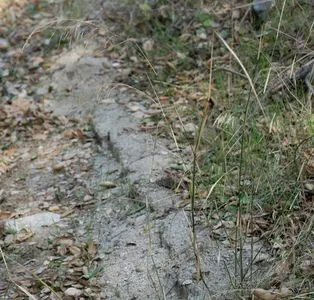
Description
Sowing dates
Sowing rice grass is best performed in early spring when the soil retains sufficient moisture for germination. In Mediterranean-like climates, late autumn sowing is also a viable option to leverage winter rains.
The seeds should be planted at a shallow depth of 2 to 3 centimeters. A row planting method with spacing between 20 and 30 centimeters is recommended to ensure even development and facilitate weed control.
Post-sowing compaction of the soil is essential to ensure good seed-to-soil contact. This step is critical for successful establishment in dry environments where surface moisture evaporates quickly.
Early-stage weed management is vital as the seedlings of Piptatherum miliaceum grow slowly. Implementing mechanical weeding or selecting cleaner fields helps protect the young grass from competition.
The seeding rate typically ranges from 6 to 10 kilograms per hectare, depending on soil quality and the intended use of the plot. Establishing a uniform stand is key to achieving long-term productivity.
Growing requirements
Rice grass belongs to the Poaceae family and is recognized for its exceptional resilience to arid conditions. It thrives in regions with Mediterranean climates and has successfully naturalized in many dry zones worldwide.
The crop prefers well-drained soils and shows remarkable tolerance to poor soil structures. It can withstand moderate salinity, making it a valuable candidate for land reclamation in dry saline plains.
As a light-loving plant, rice grass requires significant sun exposure to reach its maximum potential. Shaded areas result in lower biomass production and a decrease in the nutritional quality of the forage.
It displays high drought tolerance once the root system is established. The plant is capable of surviving long dry spells, making it a reliable source of green matter when other grasses become dormant.
While adapted to heat, the species maintains moderate winter hardiness. In regions prone to severe frost without snow cover, protection or careful management of the plant base is recommended.
Yield
The biomass yield of rice grass is highly dependent on rainfall patterns and soil fertility. Under optimal management, it provides a consistent supply of hay for several consecutive years.
Forage quality remains high during the vegetative phase. Harvesting at the early heading stage ensures the best balance of protein, sugars, and fiber, making it an excellent feed for ruminants.
The grass regrows well after cutting or grazing, allowing for multiple harvests during the growing season. This ability to recover quickly is one of its primary advantages in intensive forage systems.
Seed production is consistent, usually yielding several hundred kilograms per hectare. Harvest should occur when the panicles turn a straw color but before significant seed shattering occurs.
Fertilization with phosphorus and potassium is recommended to sustain long-term yield. Nitrogen applications can boost growth, provided there is adequate soil moisture to support the increased biomass.
Main diseases and pests
Rice grass is generally resistant to many common fungal diseases affecting cereals. However, rust may appear during periods of high humidity and poor air circulation within the stand.
Certain cereal pests, including specific flies, may target the growing stems. Monitoring the crop during the spring months allows for early intervention and protection of the field from damage.
Root rot can be a threat to young stands, particularly in heavy or waterlogged soils. Ensuring proper drainage is the most effective preventative measure against these soil-borne pathogens.
Preventative treatments of seeds with fungicides before planting are recommended. This protects the plant during its most vulnerable early development stage against common seedling diseases.
The crop's innate robustness minimizes the need for heavy pesticide usage. Integrated pest management, focusing on timely harvesting and field maintenance, is usually sufficient to maintain a healthy stand.
Harvesting
The optimal harvest time for hay is during the late vegetative or early heading phase. Harvesting at this point maximizes the nutrient content before the plant allocates energy to seed production.
Mechanical harvesting with conditioning helps reduce drying time in the field. Drying the forage to a moisture level of 15% is necessary for safe storage and to prevent mold or heat damage.
For seed production, the panicles are harvested when fully mature but not yet shattering. Careful handling of the harvested material is required to avoid losing the fragile seeds during threshing.
Storage of the hay should be in a cool, dry place protected from rain. Good ventilation in the storage area prevents spoilage and preserves the quality of the crop for winter use.
Post-harvest stubble management involves light maintenance to encourage regrowth in the following season. Avoid heavy burning or intensive grazing immediately after harvest to ensure the root system remains strong.