
Moso bamboo
Phyllostachys bambusoides Siebold & Zucc.
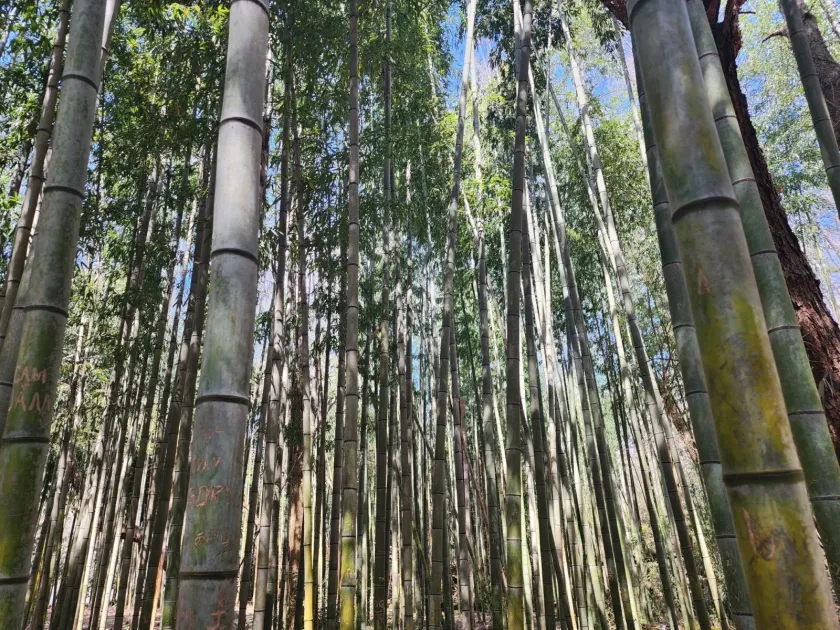
Description
Sowing dates
Phyllostachys bambusoides is primarily propagated vegetatively rather than by seeds due to its extremely long flowering cycle, which can last over a century. Early spring is the optimal time for dividing the rhizomes, just before the growing season begins.
Healthy, vigorous sections of the root system, featuring several nodes and viable buds, are selected for propagation. These segments are planted into prepared trenches or pits, ensuring they are firmly covered with nutrient-rich substrate to facilitate rapid rooting.
Proper planting depth is essential, as surface rhizomes are prone to dehydration, while excessive depth can inhibit the emergence of new shoots. Immediate and thorough irrigation following planting is mandatory to eliminate air pockets and stabilize the soil.
In regions prone to freezing winters, planting must be confined to the spring to allow the plant sufficient time to establish a robust root system before the onset of dormancy. Autumn planting in these climates increases the risk of plant mortality during cold snaps.
Planting density for commercial plantations varies, typically ranging from 200 to 500 units per hectare, depending on the desired speed of canopy closure. The rhizomatous nature of the plant allows it to expand naturally over the allocated area in subsequent years.
Growing requirements
A member of the Poaceae family, Phyllostachys bambusoides is one of the most prominent timber-type bamboos globally. The plant thrives in well-drained, fertile loam soils with a neutral or slightly acidic pH balance.
Water management is critical; while the crop requires high moisture levels for optimal growth, it cannot tolerate waterlogged conditions which lead to rhizome rot. Consistent irrigation during the dry summer months is necessary to maintain vigor.
The ideal temperature for development ranges between 18 and 28 degrees Celsius. While established plants can withstand brief freezes down to -15 degrees Celsius, extended exposure to extreme cold can result in significant damage to the culms and foliage.
Cultivation sites should be sheltered from heavy winds, as the tall, hollow stems are susceptible to mechanical breakage. Ample sunlight is required; while juvenile plants may benefit from partial shade, mature stands need full sun for maximum biomass accumulation.
High nitrogen inputs are recommended in the spring to promote the rapid growth of the culms. Organic matter, such as compost or well-rotted manure, should be incorporated annually to improve soil structure and sustain long-term fertility.
Yield
Yield is evaluated based on both the volume of commercial-grade timber and the production of edible bamboo shoots. A plantation typically reaches peak productivity between the sixth and eighth year after establishment.
Mature plantations can produce dozens of tons of biomass per hectare annually, marking it as one of the most productive agricultural crops in existence. Under favorable conditions, individual culms can grow several dozen centimeters in a single day.
The harvested timber is utilized in a variety of sectors, including construction, flooring, furniture manufacturing, and handicrafts. High-quality timber is obtained from stems aged between three and five years, when they have reached maximum structural strength.
Edible shoot harvesting occurs in early spring as they emerge through the soil. Strategic harvesting practices must be employed to avoid over-collecting, ensuring the health of the rhizome system and the continuity of future shoot production.
Routine maintenance involves the removal of dead, damaged, or aging stems. This sanitation process rejuvenates the stand, improves light penetration, and ensures that resources are directed toward the growth of younger, more vigorous culms.
Main diseases and pests
The primary biological threats to bamboo plantations include aphid infestations and bamboo mites, which feed on the leaves and young shoots. High humidity and poor airflow can facilitate the spread of fungal pathogens like rust or root rot.
Pest damage often results in leaf chlorosis, loss of turgor, and reduced photosynthetic capacity, weakening the overall plant. Prevention relies on proper spacing, ensuring adequate ventilation, and regular monitoring for early signs of infestation.
Infection management requires the application of targeted fungicides if symptoms appear. Removing and destroying heavily infested plant material is crucial to preventing the further spread of disease throughout the grove.
Small rodents can also pose a risk by gnawing on tender underground rhizomes, which can significantly stunt the growth of young plants. The use of physical barriers or targeted protection methods is recommended for safeguarding the root system.
Good agricultural practices, including balanced fertilization and timely irrigation, are the best defense against threats. Healthy plants demonstrate significant resilience and are much less likely to succumb to pest attacks compared to stressed or nutrient-deficient individuals.
Harvesting
Shoots destined for culinary markets are harvested when they are approximately 15 to 20 cm tall. They are carefully severed at the base to ensure that neighboring dormant buds remain undisturbed and viable for future growth.
Timber harvesting is conducted in the winter months when sugar and moisture content within the culms is at its lowest, which enhances the longevity and stability of the harvested wood. Stems are typically cut 10 to 15 cm above the ground.
After harvest, culms are graded by diameter, length, and surface quality before being moved to the drying area. Drying must take place in well-ventilated, shaded environments to prevent the wood from splitting or warping during the curing process.
To ensure long-term durability, the harvested bamboo is often treated with preservatives to repel insects and prevent fungal decay. Properly cured and treated bamboo can last for many decades in various structural applications.
Establishing a rotational harvest schedule allows for a continuous and reliable supply of raw materials for processing facilities. Managers must carefully account for the age structure of the plantation to balance timber quality with ecological sustainability.