
Black bamboo
Phyllostachys nigra (Lodd. ex Lindl.) Munro
Description
Growing requirements
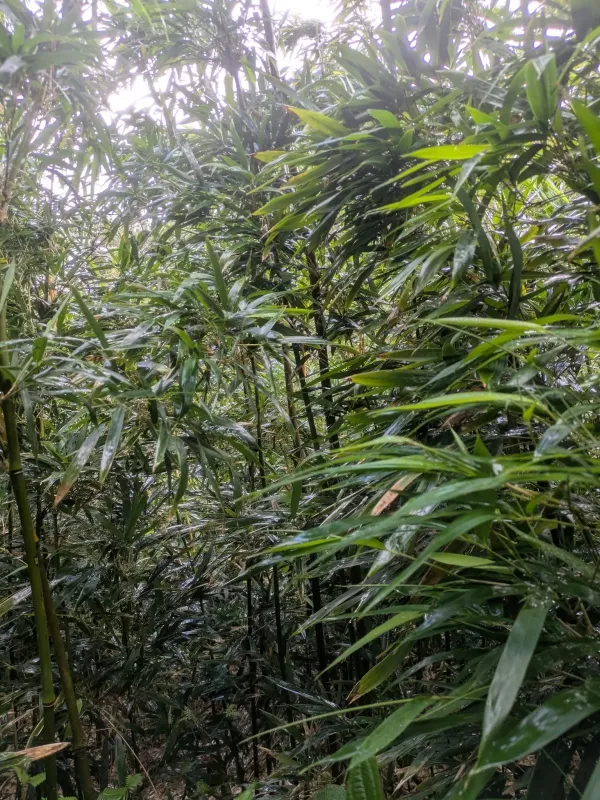
Phyllostachys nigra, commonly known as Black bamboo, is a perennial evergreen plant belonging to the Poaceae family. It is widely recognized for its unique transformation of culm color, shifting from green to a distinct, polished black as the plant matures over several years.
Originally native to China, this species has been introduced across various temperate and subtropical regions globally. It thrives in environments where humidity levels are relatively high and seasonal temperature fluctuations are kept within moderate limits to avoid severe frost damage.
The plant requires deep, fertile, and well-drained loamy soil to establish its complex rhizome system. Soil acidity should ideally range from neutral to slightly acidic, and it is crucial to ensure that water does not pool around the roots to prevent decay.
In terms of climate, Black bamboo is resilient but benefits from shelter against drying winds. While it is hardy down to temperatures of approximately -15°C, providing a layer of organic mulch around the base is standard practice to insulate roots against winter soil heaving.
Management practices include regular nitrogen-rich fertilization during the spring growth flush to encourage vigorous shoot production. Due to the species' potential for rapid expansion, installing rhizome barriers is a necessary step in professional cultivation to prevent it from invading non-designated areas.
Main diseases and pests
Main phytosanitary threats include fungal diseases caused by waterlogged soil conditions, leading to rhizome rot. Common pests impacting the foliage under dry indoor or outdoor conditions include spider mites and scale insects, which require prompt monitoring and treatment.
Harvesting
Commercial utilization of Black bamboo is focused on the construction of high-end furniture, intricate crafts, and traditional musical instruments. Harvesting involves the selective culling of mature canes that have reached their full coloration, typically after a 3 to 5-year growth cycle.