
Phyllostachys kwangsiensis
Phyllostachys kwangsiensis W. Y. Hsiung et al.
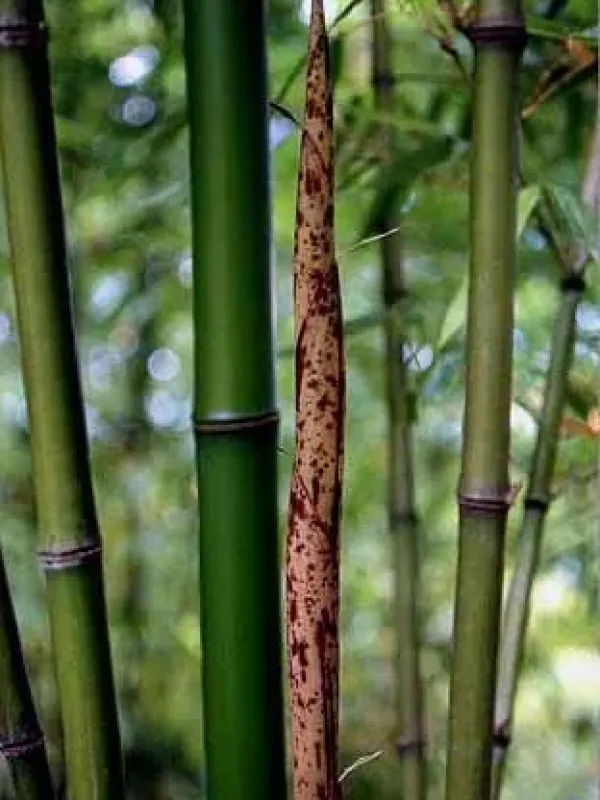
Description
Growing requirements
Phyllostachys kwangsiensis is a perennial evergreen plant belonging to the Poaceae family, subfamily Bambusoideae. This species is a woody bamboo known for its robust growth habit and potential to form dense, impressive groves in suitable environments.
Native to the subtropical regions of China, specifically the Guangxi province, this bamboo thrives in warm and humid conditions. It shows a moderate level of cold tolerance, but in cooler temperate climates, it requires protection for its rhizome system during the winter months to ensure survival.
The plant demands fertile, well-draining soil to perform optimally. It prefers loamy textures that hold sufficient moisture without becoming waterlogged. Drainage is a crucial agricultural factor, as stagnant water is highly detrimental to the root system and can lead to immediate decline.
Light availability is essential for the healthy development of Phyllostachys kwangsiensis. While it can tolerate partial shade, it grows most vigorously in full sun. Sufficient light is necessary to maintain the structural integrity and density of the culms, preventing the plant from becoming spindly or weak.
Agricultural management includes a consistent irrigation schedule, especially during the peak growing season when new shoots are forming. Application of nitrogen-rich fertilizers in early spring significantly promotes vegetative growth. Regular mulching is recommended to suppress weed competition and stabilize soil temperature and moisture levels.
Main diseases and pests
The primary pests affecting this species include aphids and spider mites, which typically target young foliage during periods of low humidity. Integrated pest management, focusing on early detection and maintaining proper environmental moisture, is the most effective approach to control these infestations.
Fungal diseases, such as leaf spot or powdery mildew, can appear in environments with poor air circulation or excessive humidity. Root rot remains the most severe threat, usually caused by overwatering or poor drainage systems. Maintaining healthy, well-ventilated stands is essential for disease prevention.