
Phalaris truncata
Phalaris truncata
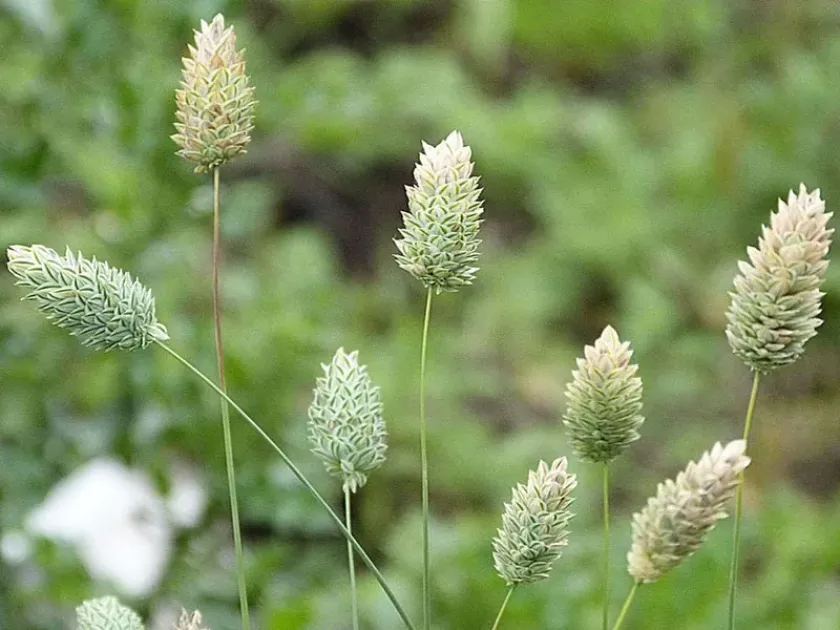
Description
Sowing dates
Phalaris truncata belongs to the Poaceae family. This perennial grass requires precise sowing timing to ensure successful establishment and consistent forage production over multiple years.
The ideal time for sowing is early spring when soil temperatures reach 8–10 degrees Celsius, allowing the seeds to utilize soil moisture effectively for germination.
In regions with mild winters, autumn sowing can be practiced to provide a head start for the plants to begin their vegetative cycle immediately when spring temperatures rise.
A standard seeding rate of 10 to 15 kilograms per hectare is recommended, ensuring uniform distribution to prevent the grass from growing too thinly or becoming overcrowded.
Seeds should be planted at a shallow depth of 2–3 centimeters, as the small size of the seeds limits the energy available for emergence through deeper soil layers.
Growing requirements
This crop thrives in fertile, well-drained loamy soils that offer good moisture retention and adequate aeration for the developing root system during the growing season.
Phalaris truncata is known for its tolerance to temporary waterlogging, making it a suitable choice for lowland areas where other grass species might fail to persist.
The plant is highly sensitive to light levels; therefore, it is best grown in open, sunny locations to maximize biomass production and maintain high nutritional quality.
The soil pH should be maintained between 6.0 and 7.0 to facilitate optimal nutrient uptake from fertilizers and organic matter applied during the plant's development.
During prolonged drought periods, the crop may experience growth suppression, so supplemental irrigation is recommended in intensive farming to ensure continuous production.
Yield
Yield potential of green biomass is directly linked to management practices, with the possibility of achieving two to three cuts per season under favorable weather conditions.
With appropriate agronomic practices, the dry matter yield can reach 6–9 tons per hectare, positioning it as a highly productive option for long-term grassland systems.
The crop is primarily used for hay production, silage making, and as a component of perennial pastures for grazing livestock, providing consistent nutritional value.
Yields usually peak within the first few years of establishment; after 5–6 years of intensive use, it is often necessary to renovate the fields to maintain productivity.
Quality control is based on crude protein content and overall digestibility, both of which remain high if the grass is harvested at the recommended growth stage.
Main diseases and pests
Common diseases affecting this species include various rusts and leaf spots, which tend to proliferate in conditions of high humidity and poor field ventilation.
Key insect pests include cereal flies and aphids, which can damage stalks and leaves, particularly during the early vegetative phase when the plant is most vulnerable.
Implementing a balanced crop rotation and using certified seed treatments are essential strategies to minimize the risk of pathogen outbreaks and ensure healthy seedling growth.
If economic damage thresholds are exceeded, the application of selective, systemic insecticides is permitted, provided that all safety waiting periods are strictly observed.
Preventive maintenance includes controlling weeds that might compete for nutrients or serve as alternate hosts for harmful pests and diseases throughout the growing season.
Harvesting
For high-quality green fodder, harvesting should occur during the booting or early heading stage, when the nutrient content, particularly proteins and sugars, is at its peak.
When producing hay, it is crucial to manage the drying process effectively to prevent the loss of soluble nutrients due to weather exposure or improper storage conditions.
To ensure quick regrowth and sustainable production, the cutting height should be maintained at a minimum of 5–7 centimeters during mechanical harvesting operations.
Seed harvesting should be performed using a two-stage method once the panicles have reached full maturity, reducing seed shattering losses during the cutting process.
Proper storage of silage is necessary to ensure successful fermentation, maintaining the nutritional integrity of the fodder for use during the winter months.