
Pannonian tail-grass
Pholiurus pannonicus
Description
Growing requirements
Pannonian tail-grass (Pholiurus pannonicus) is a representative of the Poaceae family, known for its extreme tolerance to saline environments. It is a specialized halophytic grass that thrives where many conventional crops would fail.
The plant originates from the Eurasian salt steppe regions, spanning from Central Europe to parts of Asia. It is naturally adapted to survive in sodic soils, alkaline substrates, and regions with significant soil salinity levels.
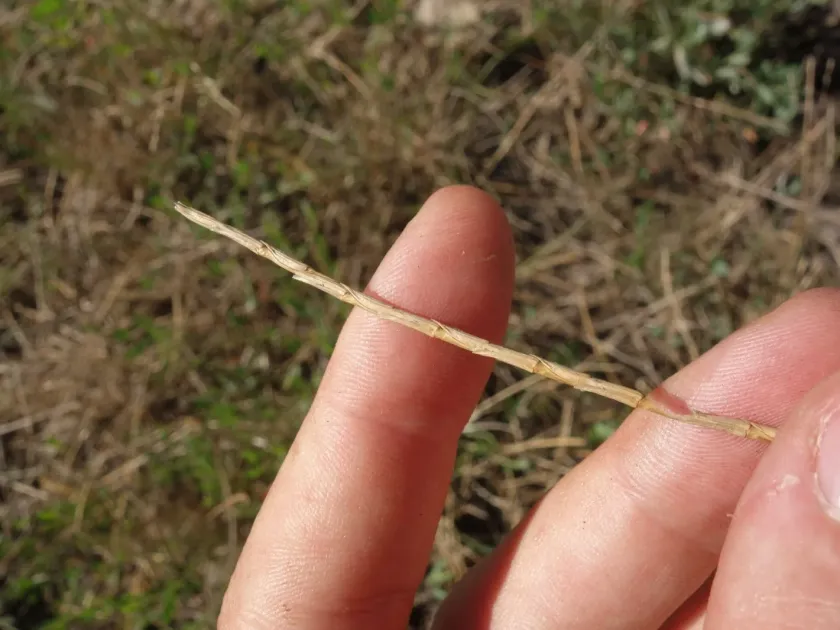
Botanically, it features a slender culm and a distinctive distichous spike that appears scaly upon maturity, which gives it its common name. The plant has evolved specific metabolic mechanisms to manage high intracellular salt concentrations without compromising physiological health.
Regarding cultivation, the plant requires open, sunny environments with saline or alkaline soil properties. It shows remarkable resilience to compaction and can withstand temporary soil saturation, making it suitable for difficult terrain where traditional agriculture is impossible.
The primary agricultural utility of this species includes its role as a stabilizing agent for eroded saline soils and a source of grazing biomass. It serves as an ecological anchor that helps maintain soil structure in sensitive, salt-affected ecosystems.
Main diseases and pests
The main threats to Pannonian tail-grass involve environmental shifts, such as land drainage projects that fundamentally alter the soil salinity level. If the salt concentration drops significantly, competitive grasses may replace this species.
Pests and diseases are generally consistent with those affecting wild Poaceae species. Fungal infections, such as rusts or smuts, can occur during exceptionally humid weather conditions, potentially reducing the biomass yield of the grass stand.