
Pentapogon quadrifidus
Pentapogon quadrifidus
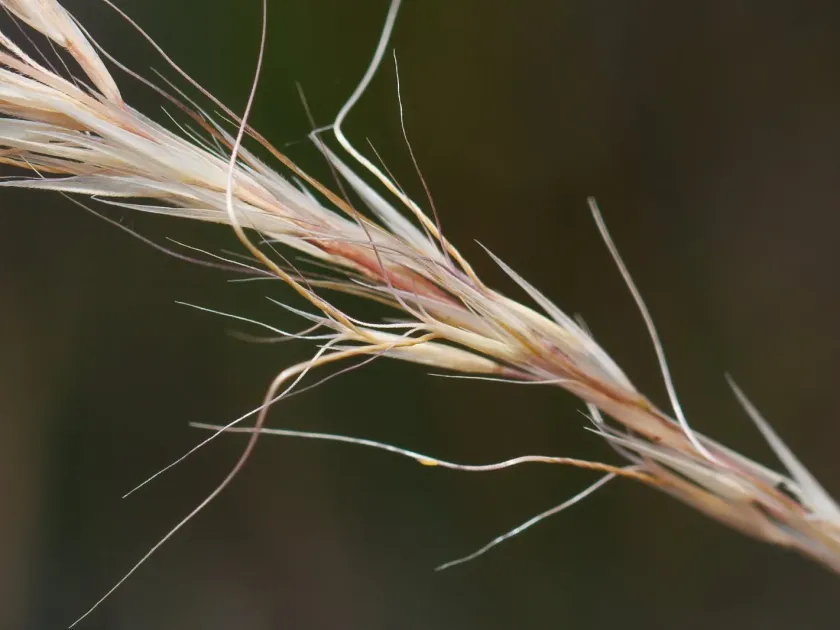
Description
Growing requirements
Pentapogon quadrifidus, commonly known as five-awned spear grass, is a perennial grass species belonging to the Poaceae family. Native to Australia, it is an essential component of various native grasslands and is increasingly recognized for its ecological and agricultural potential.
The plant thrives in well-drained, nutrient-moderate soils, ranging from sandy loams to heavier clays. It is well-adapted to environments with varying moisture levels, showing a notable resilience to seasonal dry spells which makes it a robust candidate for sustainable pasture management.
Climate requirements involve moderate temperature regimes typical of temperate and subtropical regions. It performs best under full sun, although it exhibits tolerance to partial shade, making it adaptable to different landscape topographies such as valleys or open ridges.
Botanically, it is characterized by its distinct spikelets and awn structure, which allow for efficient seed dispersal and establishment in diverse soil types. The root system is relatively deep and fibrous, providing stabilization for soil and contributing to improved water infiltration in meadow systems.
In terms of agricultural use, this species is highly valued for grazing livestock due to its nutritional profile during active growth phases. Its ability to maintain vegetative cover makes it an excellent choice for land restoration and soil conservation projects in its natural range.
Main diseases and pests
The primary threats to Pentapogon quadrifidus crops include fungal diseases such as rusts and mildews, which often develop during periods of high humidity and restricted air circulation. Effective management involves maintaining optimal plant density to encourage drying of the leaf canopy.
Pest pressures primarily include aphids and various grass-feeding larvae that can affect biomass production during the peak growing season. Implementing a rotational grazing or cutting strategy helps disrupt the life cycles of these common grassland pests and preserves overall plant health.
Soil-borne pathogens can cause root rot, especially in poorly drained areas where water logging occurs. Improving field drainage is the most effective agronomic strategy to minimize these risks and ensure the long-term viability of the stand.
Weed competition during the seedling stage is a significant challenge for establishment. Producers should prioritize early-stage weed management to prevent encroachment by invasive species that could stifle the development of the grass and lead to thin, unproductive stands.
Ongoing monitoring for early signs of nutritional deficiency or pest infestation is recommended for maximizing yields. Balanced fertility management, adjusted for specific soil tests, remains the cornerstone of maintaining a healthy and productive crop of five-awned spear grass.