
Pentapogon quadrisetus
Pentapogon quadrisetus
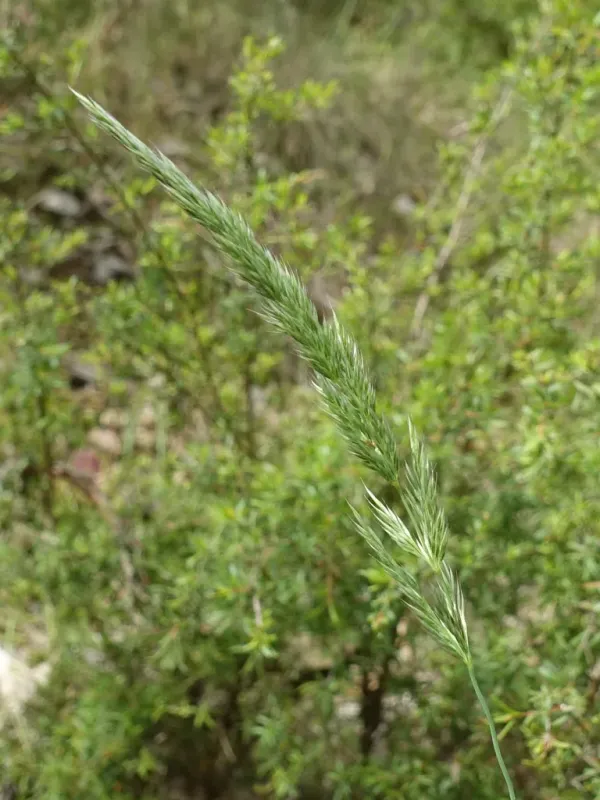
Description
Sowing dates
Pentapogon quadrisetus is a perennial grass species that requires specific soil conditions for successful establishment. The optimal time for sowing is early spring, which ensures that the seedlings have enough moisture for initial development.
The seeds should be sown in rows with a spacing of 15-20 cm. This spacing allows for proper airflow and reduces the risk of fungal infections among the young plants while ensuring each grass shoot receives sufficient nutrients.
Given the small size of the seeds, they should be sown at a depth of 1-2 cm. Deep sowing often leads to poor emergence, therefore, surface compaction is highly recommended to improve the capillary water movement from the soil to the seed.
In regions with milder winters, fall sowing can be considered. This allows the seeds to undergo natural stratification, which can improve germination rates in the following spring as soon as temperatures rise above the threshold.
Weed control during the first few weeks is crucial. As Pentapogon quadrisetus is relatively slow-growing during the seedling stage, any competition from fast-growing weeds can significantly hinder its long-term viability in the field.
Growing requirements
This grass species thrives in well-drained, fertile loamy or sandy-loam soils. It is sensitive to waterlogged conditions, making adequate site drainage a fundamental requirement for successful cultivation in wet climates.
Pentapogon quadrisetus is adaptable to various temperate conditions and displays high cold tolerance. It prefers open, sunny locations as shading significantly reduces both the biomass production and the nutritional quality of the forage.
The ideal soil pH for this species ranges from 6.0 to 7.0. If the soil is too acidic, liming is recommended prior to seeding to ensure the availability of essential macro and micronutrients for the developing root systems.
Water requirements are moderate, but consistent moisture throughout the growing season is necessary to maintain high growth rates. While it can withstand short periods of drought, sustained moisture deficiency will lead to a decline in yield.
Nutrient management, particularly nitrogen fertilization, should be based on soil tests. A balanced supply of phosphorus and potassium is also required to maintain plant vigor and winter hardiness of the grass stand.
Yield
The total annual yield of Pentapogon quadrisetus is determined by the frequency of harvesting and the level of management. With optimal conditions and fertilization, multiple cuts can be achieved within a single growing season.
On average, the dry matter yield ranges from 1.5 to 2.5 tonnes per hectare. Variations in soil fertility and regional climate can cause these figures to fluctuate, highlighting the importance of proper agronomic practices.
The quality of the forage is highest when harvested at the vegetative stage or just as the heads begin to emerge. Harvesting at this stage ensures a high concentration of proteins and minerals, which are essential for livestock nutrition.
Seed production yields are typically around 0.2-0.3 tonnes per hectare. Precise timing of the harvest is vital, as the seeds have a natural tendency to shatter once they reach full physiological maturity.
Its ability to recover quickly after grazing makes this species a reliable choice for pasture-based systems, providing consistent forage availability if rotation principles are strictly followed by the manager.
Main diseases and pests
Rust and powdery mildew are the most common diseases affecting Pentapogon quadrisetus, especially in humid or poorly ventilated conditions. These diseases can cause significant loss of leaf area and degrade the overall feed quality.
Root rot caused by various soil-borne fungi may affect the plant stand, particularly in areas with poor drainage. Proper crop rotation and soil management are the primary preventive measures against such outbreaks.
Insect pests, such as aphids and various grass-feeding flies, can cause damage to both the vegetative shoots and the developing seed heads, directly impacting the overall productivity of the field.
Excessive nitrogen application can sometimes make the grass more susceptible to certain diseases by creating lush, soft tissue that is easily penetrated by pathogens. Balancing nutrient input is essential for plant health.
Integrated pest management, combining cultural practices such as mowing and, if necessary, targeted chemical treatments, should be employed to manage these threats effectively without harming the agroecosystem.
Harvesting
For hay production, mowing should be done using machinery that promotes quick drying. Leaving the grass in windrows allows it to cure effectively, preserving its green color and nutrient profile.
When used as a pasture, rotational grazing is recommended to avoid overgrazing. Maintaining a certain level of residual leaf height is critical to ensuring the rapid regrowth of the plants after the animals have been moved.
Seed harvesting is best conducted using a two-stage process: mowing and windrowing, followed by combining once the seeds have dried in the field. This method significantly reduces shatter loss compared to direct harvesting.
Once harvested, cleaning the seeds of any debris or inert material is necessary for stable storage. Seeds should be stored in a cool, dry area to maintain high germination capacity for the next planting season.
Storing hay requires dry conditions to prevent mold and spontaneous heating. Properly stored hay will maintain its palatability and nutritional value throughout the winter, providing a consistent source of winter feed.