
Patzkea coerulescens
Patzkea coerulescens
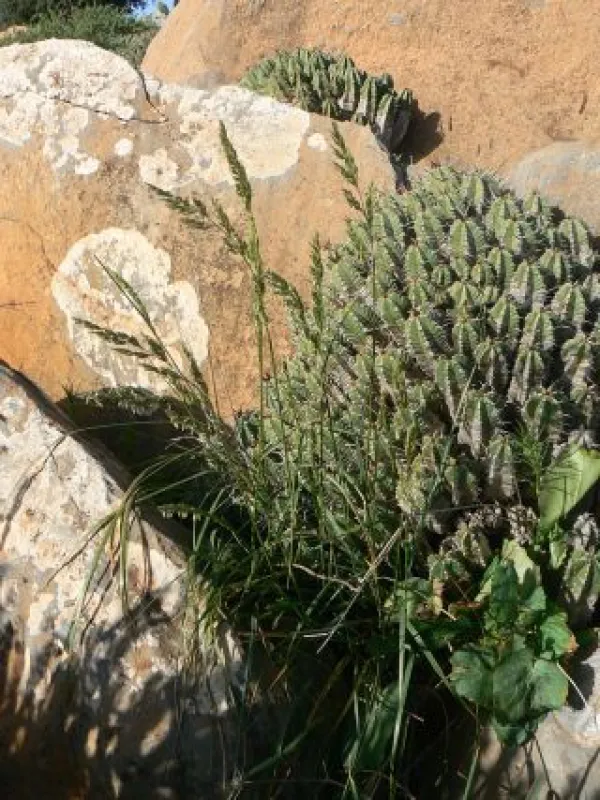
Description
Sowing dates
Sowing of Patzkea coerulescens is typically performed in early spring, once soil temperatures remain consistently above 10 degrees Celsius for optimal germination.
Seeds should be distributed evenly on the surface and covered with a thin layer of light substrate, maintaining constant but moderate soil moisture.
Container cultivation is often preferred to ensure high survival rates when transferring young plants into permanent garden or field locations.
It is crucial to avoid deep planting, as the seeds require slight light exposure and good aeration to sprout successfully within the designated timeframe.
Spacing should be managed to ensure proper air circulation between mature plants, which prevents the build-up of excess humidity around the base of the crown.
Growing requirements
Patzkea coerulescens, a member of the Poaceae family, thrives in well-drained, sandy, or rocky soils with neutral to slightly alkaline pH levels.
The plant demonstrates a strong preference for full sun exposure, which is essential for maintaining the intense blue-grey pigment of its foliage.
This species is highly drought-tolerant and performs well in low-nutrient environments, making it an excellent choice for xeriscaping projects.
Adequate soil drainage is the most critical factor for survival, as the root system is highly susceptible to rot if water persists in the soil profile.
Cold hardiness is a significant feature of this grass, allowing it to withstand harsh winter conditions provided the soil remains free of excessive standing water.
Main diseases and pests
Root rot, induced by stagnant water or compacted soil, represents the most significant threat to the longevity of this ornamental grass species.
Fungal pathogens such as rust may appear during periods of high ambient humidity, requiring prompt identification and cultural management practices.
Pests such as cereal flies may occasionally damage developing foliage, particularly if the plants are stressed due to improper environmental conditions.
To mitigate the risk of disease, growers should avoid overhead irrigation during the evening, which keeps the leaf blades damp for extended periods.
Integrated pest management strategies focusing on promoting plant vigor are more effective than relying solely on chemical pesticide applications.
Harvesting
In an agricultural and horticultural context, Patzkea coerulescens is valued for its contribution to sustainable landscape design and erosion control.
Seed harvest is conducted in late summer when the inflorescences transition to a straw-like color and the seeds reach full physical maturity.
Annual maintenance requires a thorough pruning in late winter or early spring to remove accumulated dead foliage and facilitate healthy new growth.
The dried flower stalks can be utilized in floral arrangements, as they maintain their structure and aesthetic appeal for an extended duration.
Regular maintenance practices, including the division of old clumps every few years, ensure the plant maintains its vigor and desired compact growth habit.