
Lophatherum gracile
Lophatherum gracile
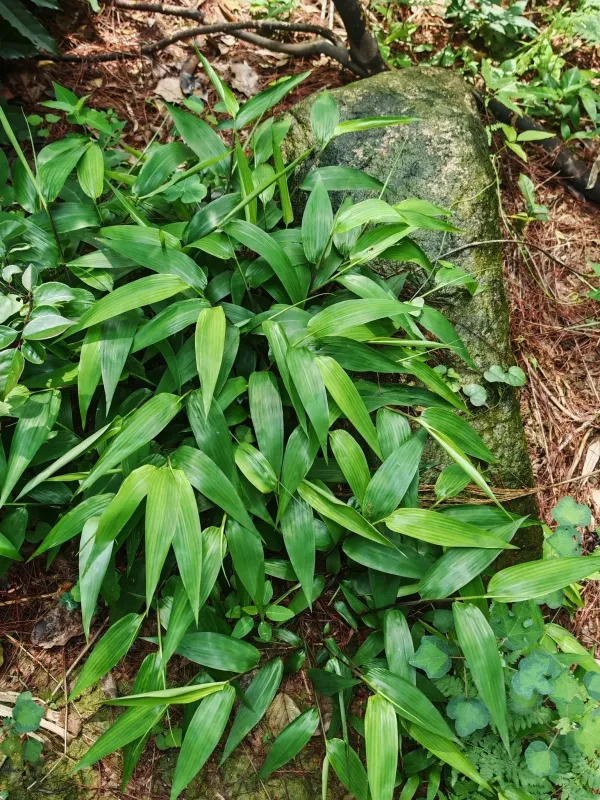
Description
Sowing dates
Sowing of Lophatherum gracile is typically performed in the spring, once the soil has warmed to a temperature of 15-18 degrees Celsius. Seeds often require a period of stratification to improve germination rates, which serves as a critical step in pre-sowing preparation.
The optimal planting depth for the seeds is 1 to 2 centimeters. In commercial settings, a row-sowing method is employed with spacing between rows of approximately 30-40 centimeters to ensure adequate light exposure and facilitate ease of maintenance.
Seedlings emerge within 2-3 weeks post-sowing, provided that soil moisture levels are maintained in the upper layer. During the first year of life, the crop develops at a moderate pace, focusing on establishing its root system and basal leaf rosette.
In addition to propagation via seeds, vegetative division of the root clump during the autumn months is a common practice. This method allows for faster establishment of robust patches with high success rates in new locations.
Effective drainage is essential during sowing, as waterlogged conditions in the early developmental stages can lead to the rot of both seeds and emerging roots, negatively impacting stand density.
Growing requirements
Lophatherum gracile is a perennial herbaceous plant belonging to the Poaceae family. It naturally inhabits tropical and subtropical regions of Asia, showing a preference for partial shade and high ambient humidity levels.
For optimal growth, the crop requires loose, fertile soils with a neutral or slightly acidic pH level. High organic matter content is crucial, as it provides the necessary nutrients for the plant throughout the active vegetation season.
This species is thermophilic; therefore, the ideal temperature range for its development is between 20 and 25 degrees Celsius. Growth slows significantly if temperatures drop below 10 degrees, and heavy frost may cause injury to the above-ground biomass.
Agronomic management must prioritize consistent irrigation practices. The crop is intolerant to prolonged drought conditions, which can cause leaf yellowing and a decrease in the concentration of bioactive secondary metabolites.
Routine care involves periodic weeding between rows and the application of mulch to conserve soil moisture during peak summer heat, which helps stabilize the microclimate for the plants.
Yield
The economic value of Lophatherum gracile lies in its above-ground biomass, which is highly utilized in pharmacology and traditional medicine. Yield levels depend significantly on the plantation age and the intensity of management.
Peak biomass productivity is typically achieved during the second and third years after planting. Commercial plantations can yield multiple harvests per season if fertilization and water regimes are managed correctly.
The application of nitrogen and phosphorus-based fertilizers encourages the development of lush green foliage. However, excessive nitrogen application should be avoided to prevent diluting the concentration of medicinal compounds in the leaf tissue.
Average yield figures for dry raw material per hectare can vary depending on regional climatic conditions and specific cultural practices employed during the growing cycle.
Regular harvesting encourages the plant to tiller, which helps maintain stable productivity across the plantation over several years without the need for frequent reseeding.
Main diseases and pests
Primary threats to Lophatherum gracile involve fungal diseases that thrive under high humidity and in dense planting conditions. Various types of leaf spot diseases are commonly encountered, affecting the leaf surface.
Pests such as spider mites or aphids may infest the plants, particularly during hot and dry weather cycles. These pests feed on sap, leading to leaf deformation and overall weakening of the crop's vigor.
Disease prevention strategies include strict adherence to crop rotation, thinning of stands to improve airflow, and the timely removal of crop residues, which can serve as overwintering sites for pathogens.
Chemical control measures should be limited, especially when the final product is intended for pharmaceutical use, with preference given to biological control methods and integrated pest management.
Monitoring for soil-dwelling pests that can damage the root system is essential, as root damage is particularly lethal to young seedlings shortly after transplanting into the field.
Harvesting
The harvest of raw material is conducted during the active growth period when leaves are fully developed. The optimal window is just before the onset of mass flowering to maximize the concentration of therapeutic compounds.
Harvesting is performed using sharp tools, cutting the stems a few centimeters above the soil level. This method allows the crop to recover quickly and produce new shoots for subsequent seasonal harvests.
Immediately after cutting, the green biomass must be transported to the processing area to prevent heating or fermentation, which could lead to the loss of essential oils and active components.
Drying is carried out in shaded, well-ventilated areas or specialized drying chambers at temperatures not exceeding 45 degrees Celsius to ensure even moisture loss while preserving the leaf color and aroma.
Following the drying process, the raw material is sorted to remove impurities and damaged leaves, then packaged in airtight containers to protect it from moisture and direct sunlight.