
Lepturus repens
Lepturus repens
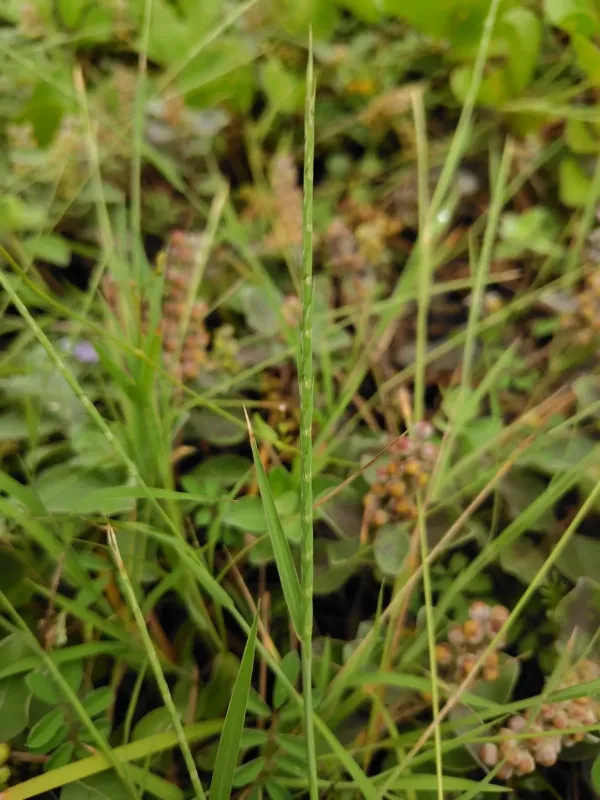
Description
Growing requirements
Lepturus repens, commonly known as creeping lepturus, is a perennial grass species belonging to the family Poaceae. It is a highly resilient plant native to the coastal regions of the tropics and subtropics, primarily found on sandy shores and coral cays throughout the Indo-Pacific region.
The plant is biologically characterized by its creeping stoloniferous growth habit, allowing it to spread rapidly across sandy substrates. Its ability to thrive in nutrient-poor, saline, and unstable environments makes it a vital pioneer species that helps stabilize coastal dunes against erosion.
In terms of climate requirements, Lepturus repens is highly adapted to tropical heat and direct solar radiation. It flourishes in areas with high light intensity and requires excellent drainage, as it is unable to tolerate waterlogged conditions for extended periods despite its maritime habitat.
The soil profile for this species typically consists of calcareous sands or gravelly substrates. It demonstrates significant salt tolerance, allowing it to survive occasional inundation by sea spray and brackish water, which provides it a competitive advantage over non-halophytic vegetation in coastal zones.
Economically, its primary value lies in environmental management. It is utilized in coastal restoration projects to secure mobile sands, preserve biodiversity in vulnerable island ecosystems, and mitigate the impacts of coastal degradation caused by natural disasters or human activity.
Main diseases and pests
Lepturus repens faces significant threats primarily from habitat loss due to coastal development, including the expansion of infrastructure and tourism in sandy beach environments. The removal of native vegetation for construction leaves the shoreline highly susceptible to erosion.
Regarding pathological threats, while the plant is generally hardy, it can be susceptible to fungal pathogens like rusts during periods of exceptionally high humidity. Insect herbivores that specialize in native coastal grasses can also cause localized damage to the vegetative stands.