
Common Blown Grass
Lachnagrostis filiformis
Description
Growing requirements
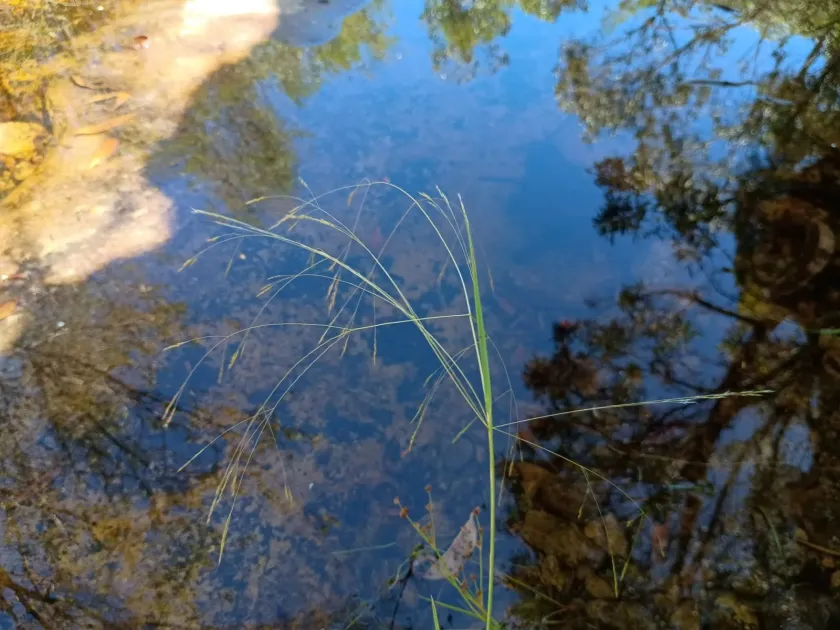
Common Blown Grass (Lachnagrostis filiformis) is an annual or perennial grass belonging to the Poaceae family. Native to Australia and various parts of Asia, this species has successfully adapted to a wide range of climates and environmental conditions, often found in wetlands, grasslands, and disturbed areas.
The plant is characterized by its slender, delicate stems and highly branched, open panicles. Once the seeds mature, the panicle detaches and acts as a tumbleweed, allowing the plant to disperse its seeds efficiently over vast distances through wind action.
In terms of soil requirements, it thrives in moist, well-draining loams but shows a remarkable tolerance for poor or degraded soils. This adaptability makes it a valuable species for soil stabilization and environmental restoration projects where other grasses might struggle to establish.
Climatic preferences include temperate conditions with moderate rainfall. While it prefers sunny locations, it can withstand fluctuations in moisture levels, making it suitable for regions that experience intermittent waterlogging or seasonal variation in soil humidity.
Agriculturally, this grass is utilized primarily for grazing and hay production. It is highly palatable during its vegetative stage, providing essential nutrients for livestock and helping to maintain the productivity of pasturelands in diverse agricultural landscapes.
Main diseases and pests
Like many members of the grass family, it is susceptible to various fungal pathogens such as rusts and powdery mildew, especially during seasons with prolonged high humidity and lack of airflow within the canopy.
Common agricultural pests such as aphids and wireworms can impact the stand density, though the plant typically recovers well if managed with appropriate rotational grazing or targeted soil maintenance practices.