
Indocalamus latifolius
Indocalamus latifolius
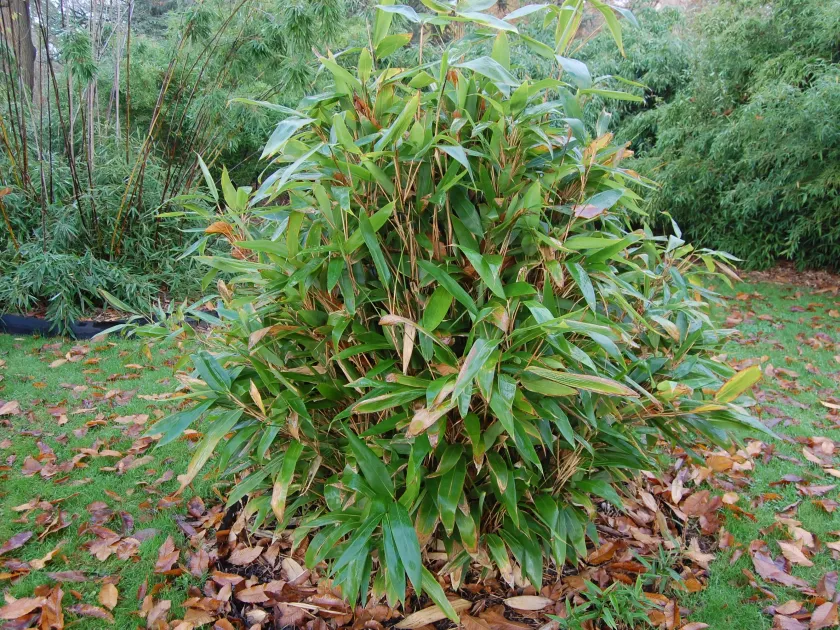
Description
Growing requirements
Indocalamus latifolius is a member of the Poaceae family, widely recognized for its distinctive broad foliage. Unlike many other bamboos, this species maintains a compact and elegant form, making it a valuable asset for botanical collections and landscaping.
Originating from East Asia, this bamboo is adapted to forest understory environments. Consequently, it thrives best in partially shaded spots that mimic its natural habitat, protecting its wide leaves from scorching direct sunlight.
The soil requirements for Indocalamus latifolius involve a nutrient-rich medium with excellent moisture retention capabilities. While it loves water, it must be planted in well-drained soil, as stagnant water is detrimental to the health of its rhizome system.
Climate adaptability is a critical factor for successful cultivation. While hardy enough to survive moderate winters, it requires protection from desiccating winds and extreme frost. In cooler zones, it serves exceptionally well as a container plant that can be moved indoors.
The agricultural and ornamental use of this plant is diverse. Beyond its visual appeal in gardens, its foliage has historically been used for wrapping foods or decorative purposes due to its size and structural durability compared to standard grasses.
Main diseases and pests
Spider mites are the most common pest challenge for this bamboo, particularly during periods of low humidity. Spraying the leaves with water or utilizing specific miticides can mitigate populations effectively before damage becomes extensive.
Fungal issues such as leaf spot can occur if the plant is kept in areas with poor air circulation. It is highly recommended to thin out dense clusters regularly to allow the wind to dry the foliage and prevent the colonization of pathogenic fungi.
The aggressive nature of its rhizomes makes root containment an essential management strategy. Using specialized root barriers installed at a depth of at least 50-60 centimeters prevents the plant from escaping its intended design space.
Sanitation practices are vital for long-term health. Removing dead culms during the early spring allows the energy of the plant to be redirected into new, vibrant shoots, ensuring the bamboo maintains its aesthetic vigor throughout the summer.
Maintaining a balanced fertilization schedule during the active growing season will help the plant resist stress. Nitrogen-rich fertilizers provide the building blocks for the rapid development of its iconic wide, lush leaves.