
Indocalamus tessellatus
Indocalamus tessellatus
Description
Growing requirements
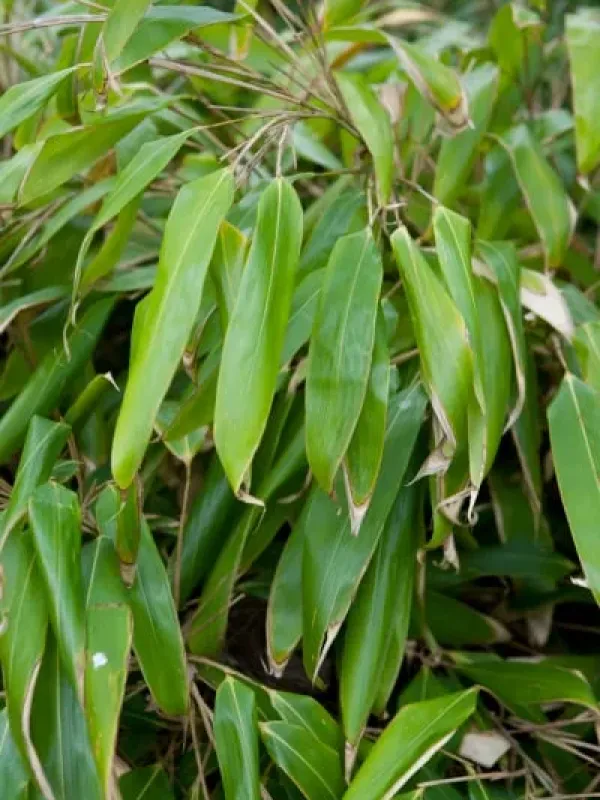
Indocalamus tessellatus is a hardy species of bamboo belonging to the Poaceae family. It is widely recognized for having some of the largest leaves among all temperate bamboo species, often reaching lengths of up to 50 centimeters.
Native to the forest understories of China, this plant thrives in temperate to subtropical climates. It is best adapted to shady or partially shaded environments, making it an excellent choice for areas with limited direct sunlight.
The soil requirements for Indocalamus tessellatus include high organic content, moisture retention, and excellent drainage. It prefers slightly acidic to neutral soil pH levels to ensure proper nutrient uptake and vibrant leaf color.
Regarding climate, while it can withstand lower temperatures compared to many tropical bamboos, it performs best in regions with mild winters. In harsher climates, protective measures are required to prevent foliage damage from frost and cold winds.
Agricultural management requires consistent irrigation, especially during the peak growth season. Applying a thick layer of organic mulch helps retain soil moisture, suppresses weed growth, and protects the shallow root system from extreme temperature fluctuations.
Harvesting
The primary use of Indocalamus tessellatus is ornamental, serving as a groundcover in shaded landscape designs. Its dense growth habit makes it highly effective for erosion control and creating lush, green understory layers in woodland gardens.
In traditional Chinese cuisine, the large, sturdy leaves are harvested for use as natural wrappers for zongzi, a popular sticky rice dish. The leaves provide a unique flavor and impart natural antibacterial properties to the cooked food.
Maintenance of the bamboo stand requires the installation of rhizome barriers. Without proper containment, the plant's vigorous root system can spread rapidly, potentially invading neighboring areas of the garden or plantation.
Harvesting leaves for culinary purposes typically occurs in late summer when the foliage is fully developed. The leaves are washed, blanched, or used fresh, depending on the specific culinary application required by traditional recipes.
This bamboo is also valued for its ecological role. By providing dense ground cover, it contributes to soil stability and moisture conservation in natural environments, making it an ecologically beneficial species for various landscape projects.