
Frank's lovegrass
Eragrostis frankii
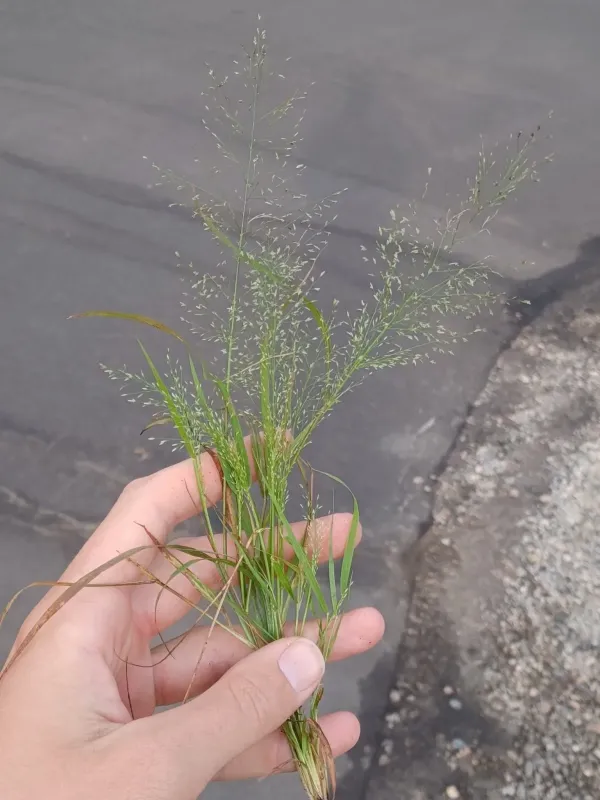
Description
Growing requirements
Frank's lovegrass (Eragrostis frankii) belongs to the Poaceae family. It is an annual grass species, primarily recognized for its presence in sandy soils, riverbanks, and open disturbed areas across its native range.
The crop thrives in well-drained, moisture-retentive soils. While it exhibits tolerance to nutrient-poor environments, optimal biomass production is achieved when soil fertility is managed through balanced fertilization.
Climatic requirements favor warm-season growth patterns. The plant performs best under full sun exposure and requires adequate soil moisture throughout the peak vegetative stage to reach its full potential.
Agronomic management involves standard seedbed preparation to ensure good soil contact and weed control. Due to its nature, it responds well to techniques that prevent soil compaction, allowing roots to penetrate deeper.
In agricultural practice, this species is investigated for soil stabilization purposes and as a forage resource. Its ability to colonize marginal lands makes it a candidate for sustainable land use projects.
Main diseases and pests
Common fungal diseases, such as rusts, can affect Frank's lovegrass under conditions of high humidity and stagnant air. Implementing proper planting densities is a key preventive measure against such infections.
Pests targeting the Poaceae family, including various grass-feeding insects and aphids, may cause localized damage. Integrated pest management strategies are recommended to maintain healthy stands.
Chemical control should be applied cautiously, as certain herbicides may negatively impact the development of this grass. Mechanical weed control remains the preferred method for small-scale cultivation.
Maintaining high standards of seed hygiene and monitoring for early signs of pathogens are essential steps for successful cultivation. Avoiding overcrowding is critical to managing environmental stress.
Overall, the resilience of Eragrostis frankii is relatively high, provided that basic agronomic principles, such as proper drainage and crop rotation, are followed throughout the growing season.