
Hairy wheatgrass
Dasypyrum villosum
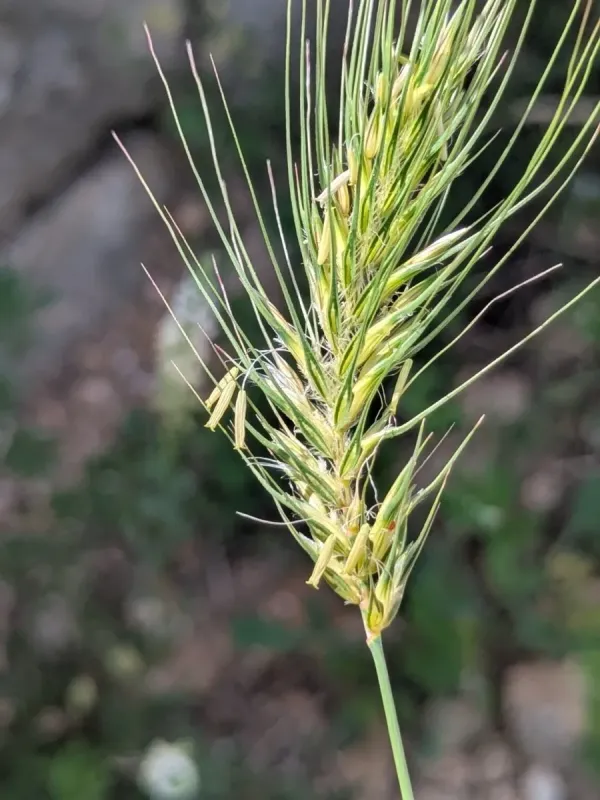
Description
Sowing dates
Dasypyrum villosum is a hardy member of the Poaceae family, widely recognized for its winter-hardy nature and rapid establishment in various environments.
The ideal sowing window is early autumn, which allows the plant to develop a robust root system before the onset of winter dormancy.
Seed depth should be kept consistent at 2 to 3 centimeters to ensure optimal soil-to-seed contact and uniform emergence across the field.
Row spacing can be adjusted based on the specific end-use, with narrower rows preferred for forage production and wider rows for seed multiplication.
It demonstrates excellent germination rates even under suboptimal conditions, making it a reliable choice for land reclamation projects.
Growing requirements
This crop thrives in arid and semi-arid climates, displaying an exceptional tolerance to water stress and high soil salinity levels.
It prefers well-drained soils, ranging from sandy loams to rocky substrates, and can effectively colonize nutrient-poor lands.
The plant is highly resilient to temperature fluctuations, showing minimal damage during cold winters and hot, dry summer months.
While it is naturally adapted to low-input systems, moderate nitrogen application can significantly increase the total biomass yield.
Proper field drainage is essential, as the species does not tolerate waterlogged soils or prolonged standing water during the growing season.
Yield
As a forage crop, hairy wheatgrass provides nutritious biomass, especially in early spring when other cool-season grasses are just beginning to grow.
Its deep root system improves soil structure, making it an excellent candidate for crop rotation schemes aimed at restoring degraded topsoil.
It serves as a critical genetic resource in cereal breeding, offering resistance genes that help improve modern wheat varieties against abiotic stresses.
Yield stability is one of its primary strengths, as it consistently produces biomass even in years with significantly below-average rainfall.
When harvested at the correct physiological stage, it offers a balanced nutrient profile suitable for various types of livestock feeding.
Main diseases and pests
One of the most notable characteristics of Dasypyrum villosum is its broad-spectrum resistance to many common cereal pathogens.
It shows high natural resistance to various forms of rust and powdery mildew, which often devastate other commercial grain crops.
Pest pressure is generally low, as the plant's morphological traits, such as stiff glumes and hairs, provide an effective defense mechanism.
Effective weed management during the establishment phase is the most important factor in ensuring a clean and productive stand.
There are very few specialized threats, but monitoring for occasional aphid outbreaks in the early spring remains a standard agronomic practice.
Harvesting
For high-quality hay production, harvesting should be performed before the plant reaches the boot stage to maximize nutrient concentration.
Seed harvest requires careful timing to avoid shattering, as the mature spikelets are prone to dropping seeds if left too long in the field.
Standard combine harvester settings used for wheat or barley are generally efficient for harvesting Dasypyrum villosum seeds.
Post-harvest conditioning includes thorough cleaning and moisture testing to ensure the seeds meet industry standards for longevity and viability.
Proper storage in a dry, well-ventilated environment prevents fungal contamination and ensures the seeds maintain high vigor for the next season.