
Centotheca lappacea
Centotheca lappacea
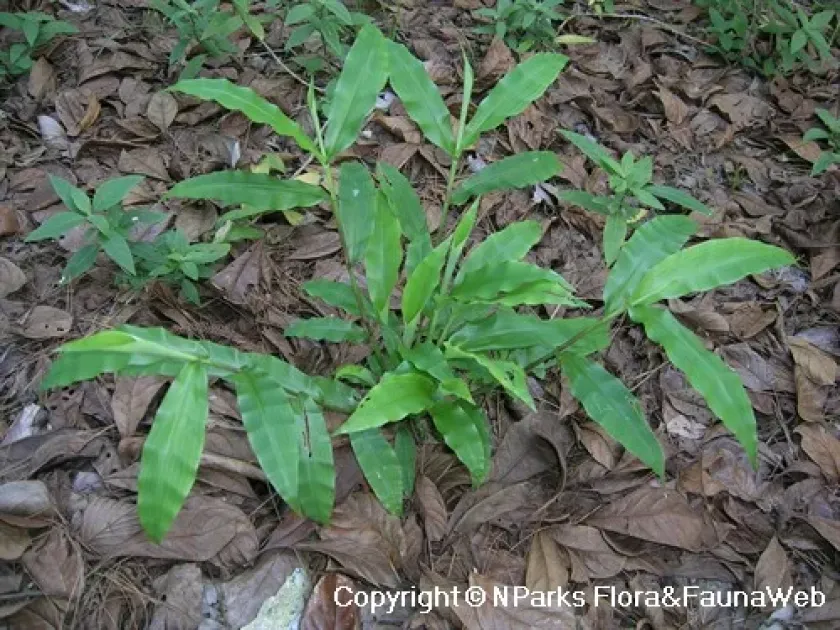
Description
Sowing dates
Centotheca lappacea is a perennial grass species that typically propagates via self-seeding or vegetative spread through its rhizome system in natural habitats.
For cultivation purposes, establishing the stand at the onset of the rainy season is critical to ensure sufficient moisture for the successful establishment of the seedlings.
The seeds have specific structural characteristics that require shallow planting, as burying them too deep can significantly inhibit germination and early growth.
Preparing the seedbed by removing competing weed species is essential, as the young plants are relatively slow to establish compared to more aggressive forage grasses.
Planting density should be tailored to the intended land use, whether for permanent pasture or as a soil-covering component in agroforestry projects.
Growing requirements
As a member of the Poaceae family, this plant is well-known for its shade tolerance, thriving naturally in the understory of moist tropical forests.
The ideal soil conditions consist of fertile, well-draining substrates with a neutral or slightly acidic pH level to support optimal root development.
While the plant requires consistent moisture, it is sensitive to waterlogged conditions, which can lead to root rot and reduced plant vigor.
Temperatures ranging from 22 to 30 degrees Celsius are optimal for the plant's metabolic activity, growth rates, and overall biomass production.
Centotheca lappacea is highly valued in tropical agroforestry because it can persist and maintain cover under the dense canopy of tree plantations.
Yield
The yield of green biomass is highly dependent on soil fertility and the frequency of grazing or cutting, with management practices dictating overall productivity.
Under moderate utilization, the plant exhibits excellent regenerative properties, allowing for multiple harvests or continuous grazing periods throughout the season.
While it may not produce as much biomass as high-intensity hybrid grasses, its stability in shaded environments makes it a reliable source of fodder.
Proper nutrient management, particularly with organic amendments, can significantly boost the production of biomass in both pastures and forest settings.
Assessing yield involves considering both the volume of palatable foliage and the secondary benefits, such as erosion control on sloped terrain.
Main diseases and pests
High humidity levels can facilitate the development of various fungal pathogens, which may cause leaf spots or tissue damage if air circulation is poor.
Pests that typically affect tropical grasses may pose a risk if the plant is grown in dense monocultures without proper crop rotation or diversity.
Intense competition from invasive weed species is the primary threat to new stands, potentially outcompeting the grass during the early establishment phase.
Overgrazing, particularly during the wet season, can lead to soil compaction and physical damage to the root system, weakening the grass stand.
Effective management strategies include maintaining appropriate stocking rates and periodic cleaning of the stand to prevent the buildup of dead plant material.
Harvesting
Grazing by livestock is the most common and efficient method of harvesting, allowing the animals to utilize the forage directly as it regrows.
For hay or silage production, harvesting should be performed before the plant reaches the mature flowering stage to ensure the highest protein content.
Maintaining a cutting height of at least 5-7 centimeters is vital for the grass to recover quickly, ensuring the longevity of the perennial stand.
Seed harvesting should be performed at full maturity, typically identified by the easy detachment of spikelets from the parent plant structure.
Post-harvest management involves drying the forage in well-ventilated areas to prevent mold growth and maintain the quality of the preserved feed.