
Black speargrass
Heteropogon melanocarpus
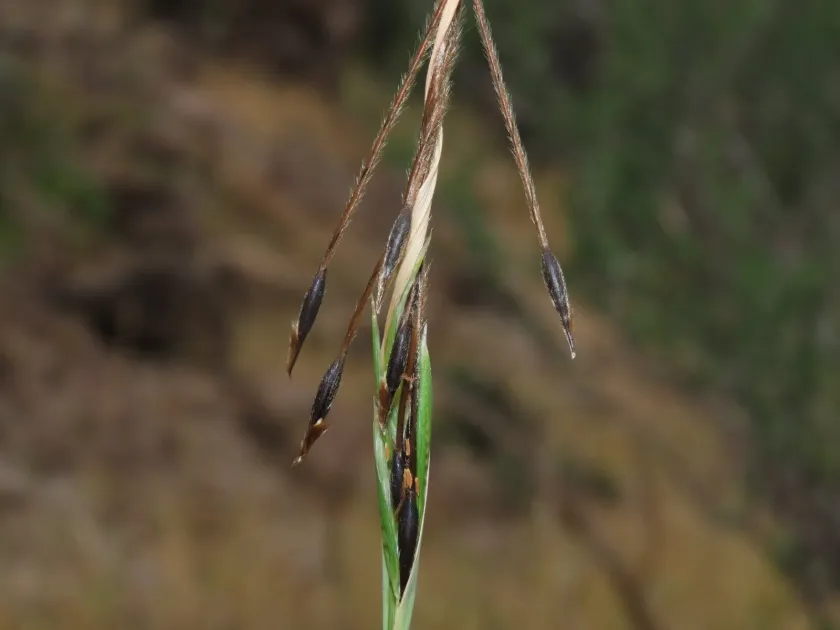
Description
Sowing dates
Heteropogon melanocarpus, commonly known as black speargrass, is a member of the Poaceae family. It is a robust perennial grass species widely distributed across tropical and subtropical regions, playing a vital role in natural grassland ecosystems.
The plant is characterized by its upright stems and dense root system, which helps stabilize soils and prevent erosion. Its botanical structure includes narrow, elongated leaves typical of the Andropogoneae tribe, which are well-adapted to warm climates.
Sowing should be scheduled at the onset of the rainy season to ensure sufficient moisture for seed germination and initial seedling development. Planting in warm, moist soil is essential for achieving a high percentage of successful establishment.
Seedbed preparation involves deep plowing and leveling the soil to facilitate uniform seed placement. Since the seeds are relatively small, they should be sown at a shallow depth of 2 to 3 cm to prevent burial and ensure emergence.
Spacing between rows is generally maintained at 30 to 50 cm to allow each plant sufficient room for tillering and biomass production. Adequate moisture immediately following sowing is critical to prevent the desiccation of the seeds.
Growing requirements
This crop requires a warm climate and thrives in regions with distinct rainy seasons. It is not frost-tolerant and exposure to freezing temperatures can cause significant damage or death to the plant's active growing points.
Regarding soil requirements, Heteropogon melanocarpus performs best in fertile loamy soils with good drainage. While it is tolerant of temporary waterlogging, it does not perform well in permanently saturated or poorly aerated soil conditions.
Full sun exposure is a fundamental requirement for optimal growth and productivity. Shading from trees or taller vegetation significantly hampers photosynthesis, leading to reduced yield and poor nutritional quality of the forage.
Agrotechnical management includes regular fertilization, especially with nitrogen and phosphorus, to promote vegetative growth. Nitrogen application is particularly effective following harvest or grazing to encourage rapid regrowth of the grass.
Weed control is essential during the establishment phase, as the grass grows relatively slowly at first. Implementing integrated weed management strategies ensures that the crop is not outcompeted during its early stages of growth.
Main diseases and pests
Fungal diseases, such as rusts and powdery mildew, represent the primary threat to this crop, particularly in high-humidity environments. These infections thrive when air circulation within the canopy is restricted.
Insects like aphids and certain caterpillars can cause damage by feeding on stems and leaves. Regular monitoring of the field is necessary to determine if intervention is needed to protect the biomass from significant loss.
Viral diseases transmitted by insect vectors can also impact the long-term health of the planting. Removing symptomatic plants and controlling vector populations are standard practices for maintaining a healthy and productive grass stand.
Overgrazing and excessive harvesting frequency can deplete the root reserves of the plant. A rotational grazing system is highly recommended to ensure the sustainability of the forage resource and the health of the plant population.
Mechanical damage from machinery or wildlife can also open entry points for opportunistic pathogens. Proper maintenance of equipment and fencing strategies are crucial for ensuring the longevity of the agricultural operation.