
Bertero barley
Hordeum berteroanum
Description
Growing requirements
Bertero barley (Hordeum berteroanum) is a perennial grass species belonging to the Poaceae family. It is a native plant primarily found in the ecosystems of South America, with a significant presence in the regions of Chile, where it contributes to the local biodiversity.
The plant is biologically adapted to diverse environments, typically occupying open landscapes where it can leverage its root structure to withstand periods of limited water availability. Its growth habit is consistent with other perennial members of the tribe Triticeae.
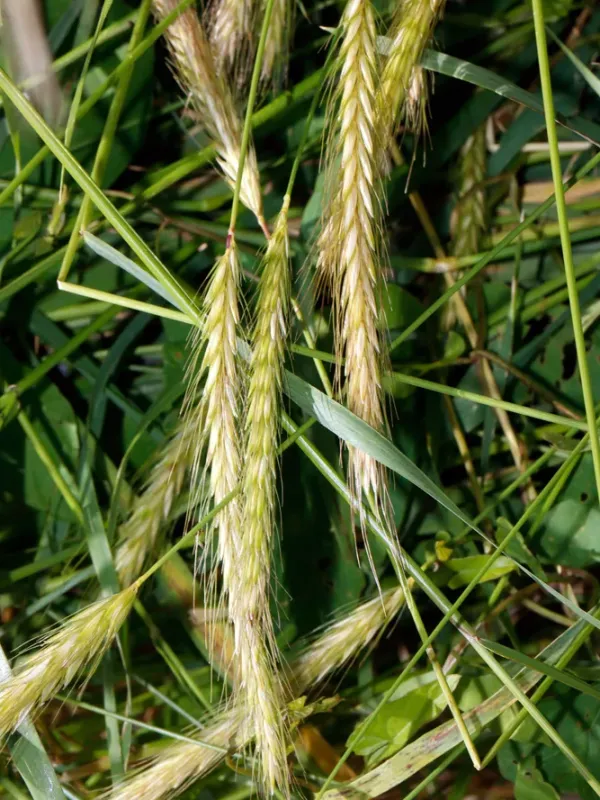
Botanically, this species is defined by its characteristic inflorescence which serves as a crucial reproductive organ. The presence of elongated awns is a distinct feature, aiding in seed dispersal mechanisms through attachment to passing animals or movement with the wind.
Regarding habitat preferences, it thrives in well-drained soils and is capable of colonizing stony substrates. This resilience makes it an important species for soil protection and erosion control in the natural landscapes it inhabits.
While not a primary commercial crop like domesticated barley, this species plays a vital role in natural forage systems. It provides essential grazing resources for local herbivores and maintains ecological stability within its native habitats by resisting environmental stresses.