
Berger's lovegrass
Eragrostis bergeriana
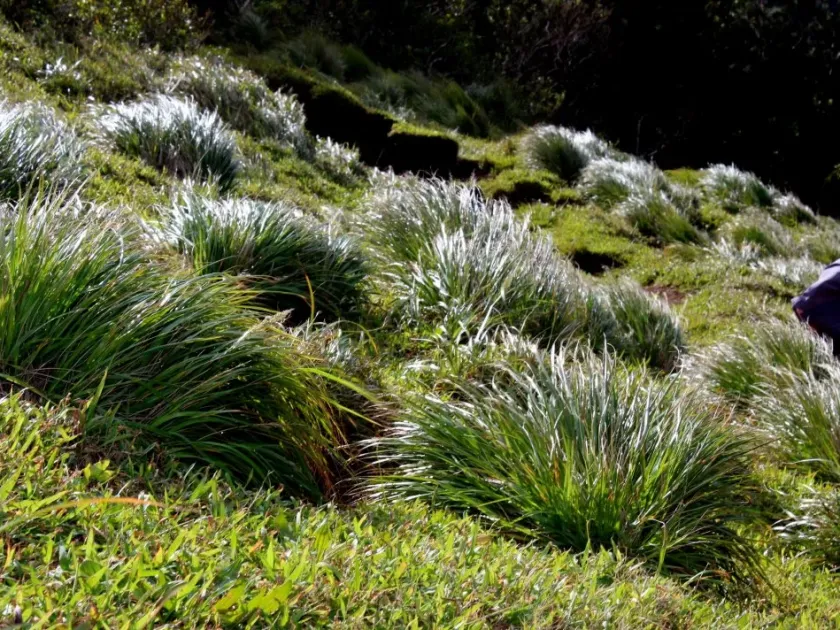
Description
Sowing dates
Berger's Lovegrass (Eragrostis bergeriana) is a perennial species of the Poaceae family, recognized for its exceptional resilience and suitability for reclamation and forage production. Sowing is best performed in late spring once soil temperatures consistently exceed 15 degrees Celsius.
The seeds are very fine, necessitating shallow planting depths of no more than 1-2 centimeters. Achieving high-quality soil contact is crucial, which is why post-sowing rolling is highly recommended for optimal germination rates.
Depending on the intended use, such as pasture establishment or hay production, seeding rates should be adjusted. Standard row planting with 15-20 centimeter intervals allows for sufficient airflow and individual plant development.
The choice of planting site should prioritize well-drained, sunny areas, as this species does not tolerate competition from tall weeds or shading. Early irrigation may be necessary to support the initial establishment phase until the root system develops.
Timing the sowing according to local precipitation patterns ensures that the plants maximize growth during the most favorable moisture cycles. Proper planning during the establishment phase significantly impacts the long-term productivity of the stand.
Growing requirements
This species is highly regarded for its ability to thrive in challenging soil types, including sandy, nutrient-poor, and slightly saline conditions. It is an excellent choice for stabilizing degraded land where other grasses might fail.
Berger's Lovegrass prefers neutral to slightly acidic pH environments with good drainage. It is extremely heat-tolerant and thrives during periods of high solar radiation, making it ideal for warmer climate zones.
Although it exhibits strong drought tolerance, productivity increases significantly with moderate moisture availability. Nitrogen fertilization during the early spring growth flush provides the necessary stimulus for healthy biomass production.
Cultural practices should include maintaining a clean field during the early growth stages to prevent weed encroachment. Once established, the species forms a dense sod that effectively outcompetes most invasive annual weeds.
The plant demonstrates high efficiency in water use, making it a sustainable choice in regions where water resources for irrigation are limited. Its deep root system also aids in soil structure improvement over time.
Yield
The biomass yield is largely dependent on the frequency of mowing and the fertility of the soil. Under optimal management conditions, the grass provides multiple cuts throughout the growing season.
When used as pasture, the yield is measured by its rapid regrowth capacity after grazing. It is known for good recovery, allowing for rotational grazing patterns that maintain high productivity throughout the year.
Seed production yields can be variable, often depending on climatic conditions during the anthesis period. Implementing specialized harvesting methods helps to capture the fine seeds efficiently without significant field losses.
In hay production, the overall yield is dictated by the timing of the cut and the nutritional status of the soil. Proper nitrogen balance is essential to achieve high protein content alongside significant dry matter tonnage.
Long-term stand health is maintained by monitoring for density and ensuring that fertilization practices match the crop's uptake potential. Regular assessment of the field ensures consistent performance across several seasons.
Main diseases and pests
Berger's Lovegrass is notably robust, showing high natural resistance to many common fungal diseases that afflict other grasses. However, stagnant water and excessive humidity can occasionally promote localized rust or mildew issues.
Insect pests, particularly grasshoppers or leaf-feeding insects, can pose a challenge during exceptionally dry cycles. Integrated pest management strategies are recommended to mitigate damage while preserving beneficial insect populations.
Invasive broadleaf weeds represent the primary threat during the initial establishment year. Timely intervention using selective herbicides or mechanical weeding ensures the crop successfully occupies the intended space.
Preventative measures, such as maintaining correct plant density and ensuring adequate soil drainage, are the best defense against pathogens. A healthy, vigorous stand is naturally better equipped to resist and recover from pest attacks.
Strategic crop rotation and the use of certified, clean seed stocks form the foundation of a sound phytosanitary plan. This approach significantly reduces the risk of introducing soil-borne pathogens or competitive weeds.
Harvesting
For high-quality hay, harvesting should occur at the onset of the heading phase. This timing captures the ideal balance between biomass volume and the nutritional quality of the leaves and stems.
Cutting height should be kept at 5-7 centimeters above the ground to facilitate rapid regrowth and protect the plant's growing points. Modern mower-conditioners help accelerate the drying process for better-quality forage.
Seed harvesting requires precision, typically involving specialized headers to handle the fine texture of the panicles. Harvesting should be performed during dry periods to prevent molding and ensure high seed viability.
When grazing, rotational schedules must be strictly followed to prevent overgrazing, which depletes root reserves and weakens the stand. Animals should be rotated to new paddocks before the plants are grazed down to the crown.
Post-harvest processing involves drying the forage to a moisture content of 14-16% for safe storage. Dry, well-ventilated storage facilities are required to prevent spoilage and maintain the nutritional integrity of the harvest.