
Reference · Crops
Beckmannia
Beckmannia
Planting Beckmannia is best performed in early spring or late autumn to allow the seeds to take advantage of natural moisture cycles in the soil.
1
items
What the section contains

Marketplace
Products in this section · 2
Beckmannia
Seeds should be sown at a shallow depth of 1 to 2 centimeters, ensuring they remain covered yet able to emerge easily once germination begins.
The seeding rate typically ranges from 8 to 12 kilograms per hectare, depending on the desired density and local environmental conditions.
When used for pasture development, it is often mixed with legumes to enhance the nitrogen balance and overall nutritional quality of the forage.
Post-sowing rolling is highly recommended to improve soil-to-seed contact, which facilitates consistent moisture absorption and promotes uniform germination.
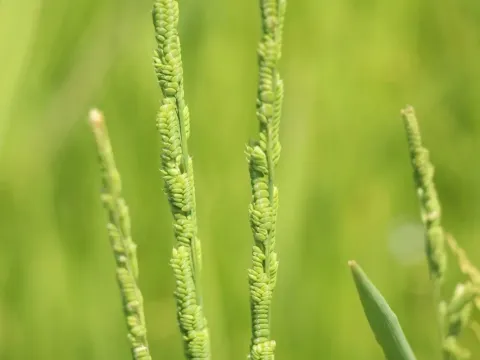
Beckmannia is a moisture-loving member of the Poaceae family, naturally thriving in river floodplains, marshes, and lowland agricultural sites.
The species demonstrates exceptional tolerance to waterlogging and temporary flooding, making it an ideal candidate for managing wet, difficult-to-farm soils.
It performs best on fertile loamy soils that possess high organic matter content and a neutral pH, though it is quite adaptable to varied moisture levels.
The perennial nature of this grass, supported by a robust root system, makes it highly effective for soil stabilization and erosion control on riverbanks.
Regarding climate, the plant is well-suited to temperate zones, showing high cold resistance and the ability to resume growth rapidly in the early spring.
When managed properly with adequate moisture and nitrogen fertilization, Beckmannia can produce green biomass yields of 150–250 quintals per hectare.
Hay production usually ranges between 40 and 60 quintals per hectare, providing a high-quality, protein-rich feedstuff for livestock during winter.
Peak productivity typically occurs during the second and third years after establishment, as the root system matures and the stand thickens.
In highly fertile floodplain environments, the crop is capable of sustaining multiple harvests throughout a single growing season.
The nutritional value remains high if harvested at the correct phenological stage, specifically before the onset of full seed maturation.
Fungal diseases, including various rusts and leaf spots, represent the primary threats, especially in dense stands with poor airflow and high humidity.
Cereal pests, such as grass flies, can affect plant vigor, necessitating regular scouting during the primary vegetative growth phases of the crop.
Smut diseases can negatively impact seed viability, emphasizing the importance of using certified, treated seed lots for all new plantings.
Overgrazing poses a significant risk to stand longevity, often leading to the encroachment of less desirable weed species into the pasture.
Integrated pest management, including crop rotation and proper site drainage where feasible, helps to mitigate the prevalence of common grass pathogens.
The optimal time for hay harvesting is during the heading stage, which ensures a favorable balance between biomass volume and nutrient concentration.
Seed harvesting should be timed carefully when panicles turn light brown; delaying too long will result in significant losses due to seed shattering.
Mowers should be set to a height of 5–7 centimeters to protect the plant crowns and promote rapid regrowth after the cutting process is complete.
Effective drying of the hay is essential to retain the crop's natural color and vitamin content, which are crucial for maintaining livestock health.
Post-harvest handling of seeds requires thorough cleaning and moisture-controlled storage to maintain high germination rates for future planting seasons.