
Oldham's Bamboo
Bambusa oldhamii Munro
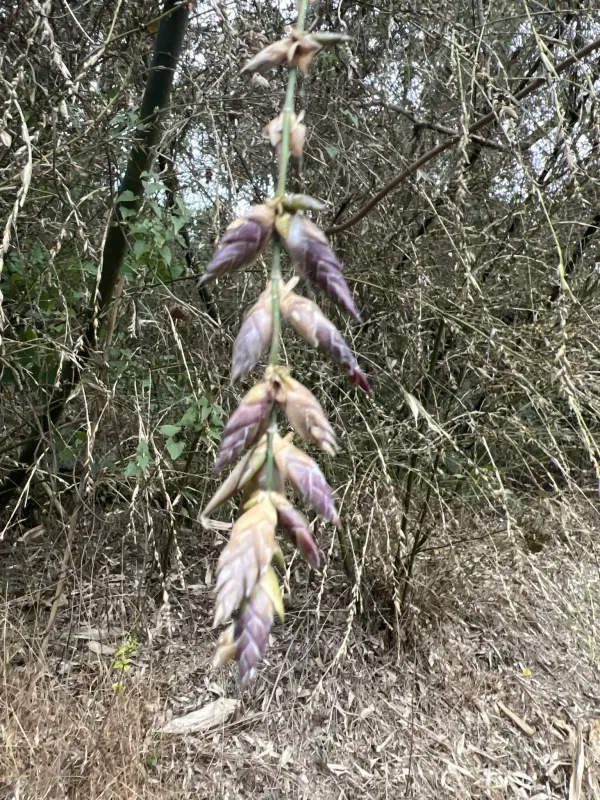
Description
Growing requirements
Oldham's Bamboo (Bambusa oldhamii) is a prominent species of giant timber bamboo belonging to the Poaceae family. It is native to Taiwan and southern China and is widely cultivated globally for its multipurpose stems and edible shoots.
This species thrives in tropical and subtropical regions where temperatures remain consistently warm. It prefers a humid environment and is valued for its ability to grow rapidly, sometimes adding several inches to its height in a single day during the peak growing season.
The plant requires deep, well-draining, and nutrient-rich soil to reach its full potential. While it is relatively tolerant of various soil types, it performs best in loamy substrates with a pH level between 6.0 and 7.5. Good soil moisture is essential, especially for young plants during their establishment phase.
Agricultural management requires careful attention to irrigation systems. Although established plants have some drought tolerance, consistent water supply is critical for commercial timber production and maintaining the high quality of culinary shoots.
Economic applications are diverse: it is highly sought after for construction, fencing, and furniture manufacturing due to the strength and durability of its culms. Additionally, the shoots are considered a high-quality food product, often processed for international markets.
Main diseases and pests
The main pests affecting Bambusa oldhamii include bamboo mites and scale insects that feed on the sap of the leaves and stems. Regular monitoring of the foliage is necessary to prevent significant outbreaks that can weaken the plant's overall vigor.
Fungal diseases like leaf spot and root rot are common in poorly drained fields or areas with limited airflow. Management strategies emphasize proper spacing between rows to facilitate natural ventilation and reduce the risk of humidity-related pathogens.