
Avellinia festucoides
Avellinia festucoides
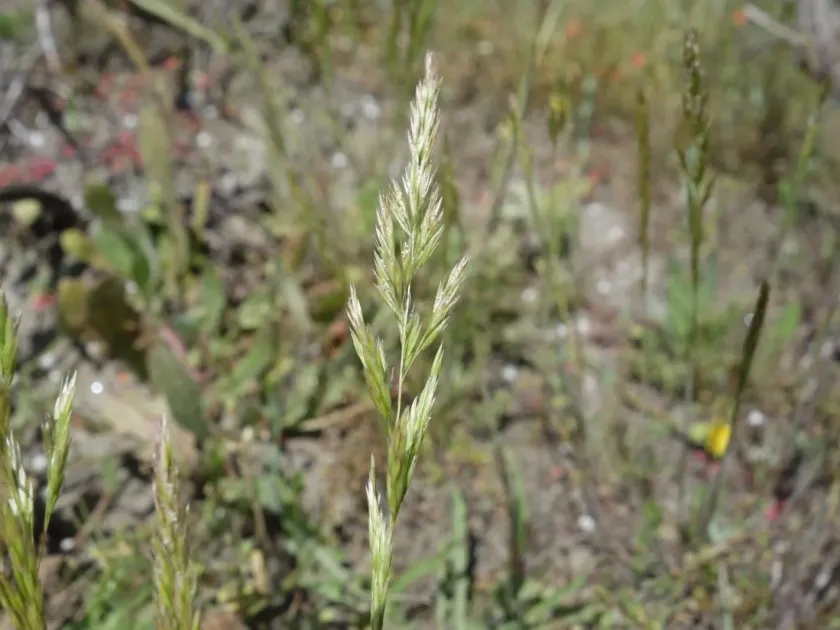
Description
Growing requirements
Avellinia festucoides is an annual grass belonging to the Poaceae family. This species is primarily recognized for its ability to thrive in arid and semi-arid environments, making it a subject of interest for pasture improvement in challenging climates.
The plant is native to the Mediterranean basin, covering parts of Southern Europe, North Africa, and Western Asia. It typically occupies habitats such as dry rocky slopes, sandy soils, and open grasslands where competition from larger, moisture-demanding plants is limited.
Botanically, Avellinia festucoides is characterized by its slender, linear leaves and a spike-like panicle. Its root system is relatively shallow but highly efficient at utilizing sporadic rainfall, which is a key survival strategy in its natural habitat.
The species requires ample sunlight to reach maturity and prefers well-drained, nutrient-poor soils. It has a high tolerance for alkaline conditions and is capable of germinating rapidly after the first autumn rains, ensuring its propagation before the harsh summer drought begins.
In agricultural practice, it is utilized as a constituent of grazing pastures. While it does not provide high biomass volume, its nutritional value for sheep and goats during the early growth stages is considered beneficial in regions with few alternative forage options.
Main diseases and pests
As a wild grass, Avellinia festucoides is susceptible to common rust fungi and powdery mildew, which can significantly reduce the foliage quality during humid springs. These infections are the most frequent biological threats to the plant's health.
Pests affecting the plant include various species of aphids and cereal flies that target the stem and leaves. Severe infestations can lead to stunted growth and reduced seed production, impacting the population density of the grass for the following season.
Overgrazing poses a structural threat to Avellinia festucoides, as the plant needs sufficient seed production to replenish its population each year. Intensive grazing pressure before the plant matures can lead to local extinction of the species in a pasture.
Integrated pest management in areas dominated by this grass focuses on maintaining a balanced grazing schedule. By ensuring that the grass reaches its reproductive stage, the ecosystem can naturally mitigate the impacts of common pests and diseases.
In summary, the health of Avellinia festucoides is primarily dictated by environmental conditions and management practices. Controlling moisture levels and preventing soil compaction are the most effective ways to promote a resilient stand of this grass.