
Arundinaria variegata
Arundinaria variegata (Siebold ex Miq.) Makino
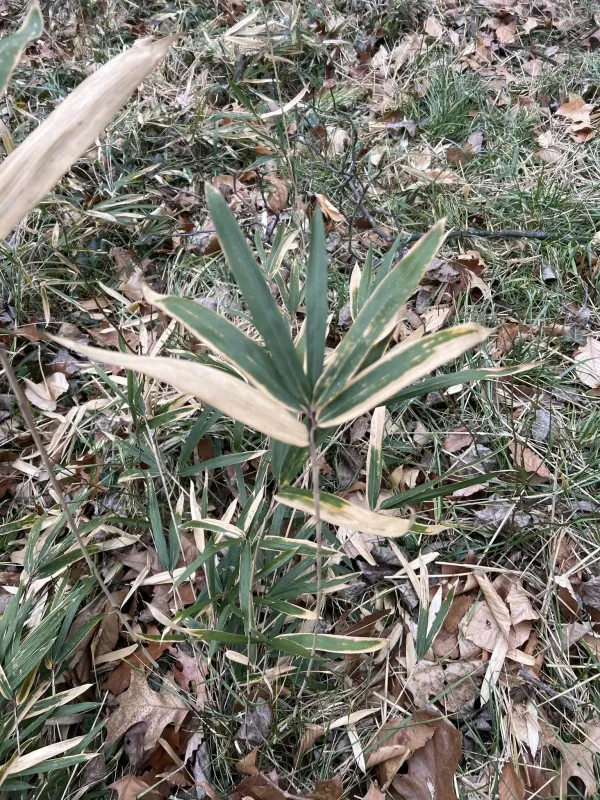
Description
Growing requirements
Arundinaria variegata, often referred to as dwarf white-striped bamboo, is a perennial evergreen plant belonging to the Poaceae family. This species is highly appreciated for its compact habit and striking green leaves decorated with distinct creamy-white longitudinal stripes.
Native to Japan, this plant thrives in environments that mimic its natural humid, temperate habitats. It is essential to choose a location in the garden that offers protection from harsh, drying winds and provides adequate humidity to ensure the leaves maintain their vibrant variegated appearance throughout the season.
The cultural requirements include fertile, well-draining soil with a slightly acidic to neutral pH. While it appreciates moisture, it is crucial to avoid waterlogged conditions, as bamboo rhizomes are susceptible to rot if they sit in standing water for extended periods. Consistent watering is required during the peak growing season.
This bamboo species performs best in partial shade, especially in regions with intense summer sun, which can cause leaf scorch. While it can adapt to sunnier spots, dappled light helps preserve the integrity of the variegated patterns on the foliage and prevents the leaves from becoming washed out.
In landscaping, it serves as an excellent ground cover or an attractive edge for pathways and water features. Because it spreads via underground rhizomes, gardeners often install root barriers to prevent the bamboo from becoming invasive in smaller, contained garden spaces.
Main diseases and pests
Common pests that may affect Arundinaria variegata include spider mites, particularly when air humidity is low. These pests can be managed by regularly misting the foliage and using appropriate horticultural oils or insecticidal soaps if an infestation occurs.
Fungal issues such as leaf spots or root rot usually stem from poor air circulation or over-watering. Maintaining healthy spacing between plants and ensuring proper drainage are the most effective strategies for preventing disease outbreaks and promoting overall plant vigor.