
Switch cane
Arundinaria tecta
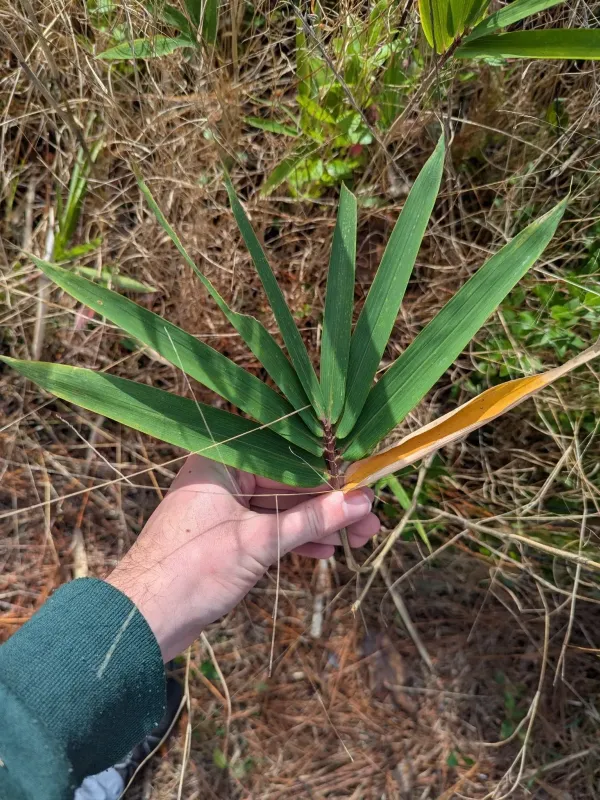
Description
Growing requirements
Switch cane (Arundinaria tecta) is a perennial grass species belonging to the Poaceae family. It is a native North American bamboo characterized by its hollow stems and rapid clonal growth through extensive underground rhizomes.
The plant is naturally distributed across the southeastern United States, where it thrives in diverse habitats such as river floodplains, swamp margins, and low-lying woodland areas that offer consistently moist soil conditions.
For successful cultivation, the plant requires fertile, well-draining, yet moisture-retentive soils. While it is adaptable to various soil types, organic-rich substrates encourage more vigorous development of the culms and leaves.
Regarding climate, it is a hardy species that can endure winter dormancy in temperate zones, though it prefers protected sites. It performs best when sheltered from harsh, desiccating winds that can damage the foliage during cold or dry spells.
In landscaping, it serves as an excellent ground cover for erosion control, especially in damp areas where other plants struggle. Its dense growth habit makes it a valuable structural element for wild-style gardens and naturalistic plantings.
Main diseases and pests
The primary threats include fungal leaf spot diseases that manifest under conditions of poor ventilation and excessive humidity. Maintaining proper spacing and removing dead plant material helps manage these pathogen risks.
Common insect pests include spider mites and aphids, which are particularly problematic during hot, dry summer months. Regular monitoring of the undersides of the leaves is essential for timely intervention and plant protection.