
Pagesia leucantha
Pagesia leucantha
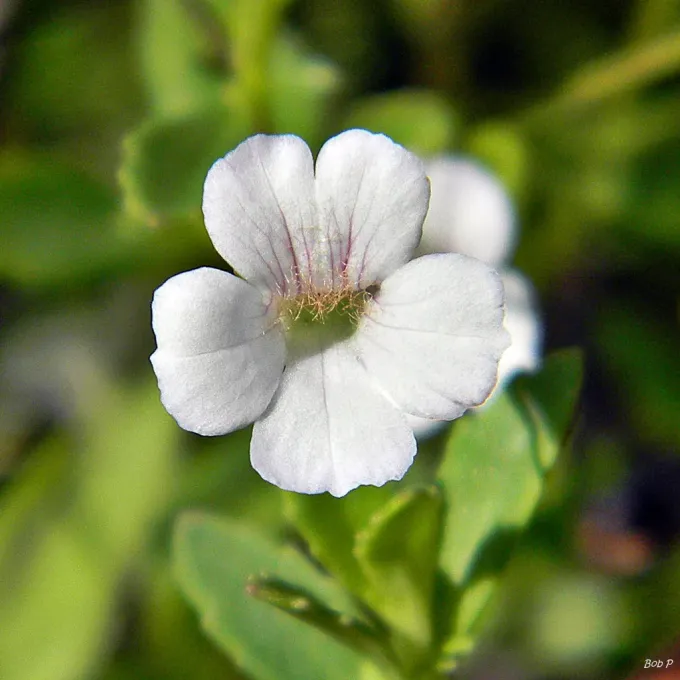
Description
Sowing dates
Pagesia leucantha is a plant belonging to the Plantaginaceae family, requiring precise sowing techniques to ensure successful germination. The optimal time for planting is during the spring, once the soil has adequately warmed up to encourage vigorous root development.
The seeds should be sown at a shallow depth in well-prepared, friable soil. Proper spacing is essential to ensure that each plant has enough room to mature without excessive competition for nutrients, light, or water resources.
In regions with fluctuating spring temperatures, many growers opt for sowing in controlled environments or greenhouses to establish seedlings before transplanting them into the field. This method significantly reduces the risk of loss due to late frost events.
Proper soil preparation, including deep tillage and the incorporation of organic amendments, serves as the foundation for high germination rates. Consistent moisture during the first few weeks after sowing is critical for the success of the establishment phase.
Managing the plant density allows for mechanical inter-row cultivation, which helps in controlling weed pressure and maintaining soil health throughout the growing season of the crop.
Growing requirements
Pagesia leucantha thrives in fertile, well-drained soils with a balanced pH level. It prefers loamy or sandy loam textures that prevent waterlogging, as the root system is sensitive to prolonged periods of oxygen deficiency.
As a light-loving species, this crop requires full sun exposure to reach its maximum biological potential. Shade management is essential in higher latitudes to ensure that the plant receives adequate solar radiation for photosynthesis.
Irrigation management is a key factor, particularly in semi-arid areas. While the plant can tolerate short periods of moderate dryness, consistent moisture during the vegetative growth phase is essential for optimal biomass production.
Nutrient requirements should be met through soil testing and balanced fertilization programs. Applications of nitrogen, phosphorus, and potassium should be timed with the plant's growth stages to support both vegetative and reproductive health.
Regular cultivation and aeration of the topsoil layer are recommended to improve the structural integrity of the soil and facilitate root respiration, which directly correlates with the overall health and vigor of the crop.
Yield
The yield of Pagesia leucantha is dictated by the synergy between genetic potential, soil fertility, and precise crop management. Under optimized conditions, the crop produces a substantial quantity of harvestable plant material.
Achieving a high yield requires strict adherence to agrotechnical protocols, including efficient weed control and proper nutrient management throughout the active growth phase, especially during the peak flowering period.
Modern production techniques, such as drip irrigation, allow for highly accurate water and nutrient delivery, which has been shown to improve both the quantity and quality of the final harvest significantly.
Environmental stress factors, such as extreme heat or unexpected pests, can impact total yield. Thus, proactive monitoring and intervention are necessary to ensure that the crop reaches its intended commercial potential.
The quality of the harvested product, defined by its botanical purity and active ingredient content, is just as important as the total weight, ensuring high market value and acceptability for industrial processors.
Main diseases and pests
Pests and diseases pose significant challenges to the cultivation of Pagesia leucantha. Fungal infections, particularly those triggered by excessive humidity, require early detection and the use of appropriate control measures.
Common threats to the crop include:
- Powdery mildew which affects the leaves during humid spells.
- Aphids that colonize stems and flower buds, weakening the plant.
- Root rot pathogens that thrive in poorly drained soil conditions.
- Leaf-eating insects that damage photosynthetic tissue during the summer.
- Weed competition that reduces the availability of essential micronutrients.
Integrated Pest Management (IPM) is the recommended approach to minimize chemical usage while maintaining crop safety. This involves monitoring pest populations and employing beneficial insects or selective bio-pesticides.
Rotation practices are essential to prevent the buildup of soil-borne pathogens. By alternating Pagesia leucantha with crops from different botanical families, farmers can naturally suppress the prevalence of specific diseases.
Continuous field scouting is necessary to identify threats in their infancy. Quick action based on reliable agricultural data significantly improves the survival rates and protects the overall investment in the plantation.
Harvesting
Harvesting Pagesia leucantha is a time-sensitive operation that must occur when the plant material is at its nutritional or commercial peak. Generally, this stage corresponds with the start of full bloom.
The use of specialized machinery allows for efficient cutting and gathering of the crop, reducing labor costs and minimizing the potential for damage to the harvested biomass during the extraction process.
Post-harvest handling is critical to quality. The material must be cleaned of debris and soil immediately to prevent contamination before moving to the drying phase, where moisture levels are reduced to safe storage standards.
Controlled drying is vital to preserve the integrity of the plant’s organic compounds. Excessive temperatures can degrade the quality of the raw material, rendering it unsuitable for high-end industrial applications.
Proper storage in ventilated, moisture-controlled warehouses ensures that the quality is maintained over the long term. Adherence to these harvest and post-harvest protocols guarantees consistent product excellence for manufacturers.