
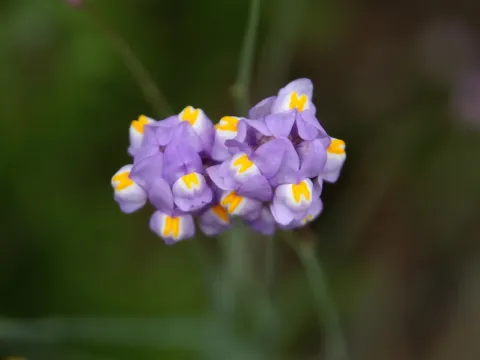
Toadflax
Linaria
Toadflax (Linaria) is a herbaceous perennial belonging to the Plantaginaceae family. In agricultural settings, sowing is best performed in early spring as soon as soil temperatures reach 5-8 degrees Celsius to initiate germination.
What the section contains


Toadflax
Autumn sowing is also viable in temperate regions, as seeds benefit from natural winter stratification. Due to the very small size of the seeds, they should be planted at a shallow depth of no more than 1–2 centimeters to ensure successful emergence.
Proper soil preparation is crucial; the seedbed should be finely tilled and leveled to prevent the seeds from being buried too deeply by large soil clumps. Toadflax is known for its ability to spread, so site selection should account for potential self-seeding.
Mechanical rolling after seeding is highly recommended to improve contact between the seeds and the soil particles. This practice is essential for maintaining moisture levels around the seeds in the upper soil layer.
Seed spacing should be managed to allow for adequate ventilation; overcrowding can negatively affect the health of the plants and the quality of the harvested biomass if grown for medicinal purposes.
Toadflax is a remarkably hardy crop that thrives in poor, sandy, or rocky soils, making it an excellent choice for marginal land. It performs best in well-drained, neutral to slightly acidic soil conditions.
The plant is highly drought-tolerant, requiring little to no supplemental irrigation once established. Conversely, waterlogged conditions are detrimental to the root system and must be avoided to prevent fungal issues.
Full sun is required for optimal growth and flowering; shade will lead to leggy, weak stems and significantly reduced chemical potency. Ensuring maximum sun exposure is key to high-quality yield.
The plant has moderate nutritional needs. Excessive nitrogen fertilization should be avoided, as it encourages vegetative growth at the expense of floral development. Phosphorus and potassium are preferred during the budding stage.
Toadflax possesses excellent winter hardiness and can survive severe frost without additional protection. Its adaptability to various climates makes it a low-maintenance, reliable crop for temperate agriculture.
Due to the presence of secondary metabolites such as alkaloids and glycosides, toadflax is generally resistant to many common pests. However, localized infestations of leaf-eating insects can occur under specific environmental conditions.
Powdery mildew is the most common disease, particularly when high humidity is combined with poor air circulation. Managing plant density and ensuring good airflow are the best preventative measures.
Root rot may develop in areas with poor drainage or overwatering. Infected plants should be promptly removed and destroyed to prevent the spread of soil-borne pathogens to healthy neighboring plants.
Rust diseases can occasionally appear on the leaves during late summer. If detected, treatment with copper-based or approved organic fungicides may be necessary to preserve the quality of the harvest.
Integrated pest management is advised to maintain the ecological integrity of the crop, as toadflax is often used as a source for herbal preparations requiring high purity standards.
Harvesting should be conducted during the peak flowering period, typically between June and August, when the plant’s active biological compounds are at their highest concentration.
The top 20–30 centimeters of the flowering stems are collected using sickles or mechanical harvesters. It is critical to perform the harvest on a dry, sunny day to prevent moisture-related degradation during storage.
Immediate drying is required; the harvested material should be spread in a well-ventilated area away from direct sunlight, maintaining temperatures below 45 degrees Celsius to protect the plant's delicate components.
Post-drying, the material should be sorted to remove any discolored or damaged parts. The final product should be stored in breathable paper bags in a cool, dark, and dry environment.
For seed collection, harvest the seed capsules when they transition from green to brown but before they fully dehisce (burst open) to ensure minimal loss during the collection process.