
White-fronted toadflax
Linaria albifrons
Description
Growing requirements
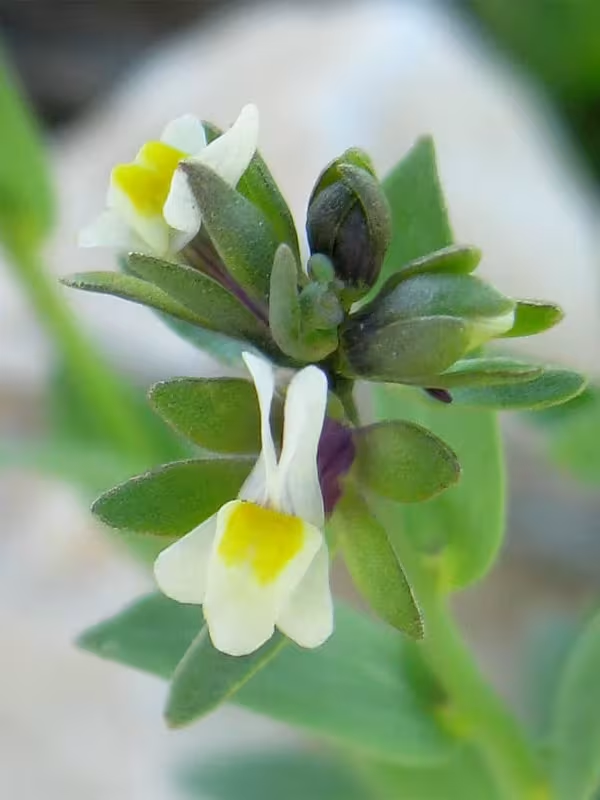
Linaria albifrons, known as the white-fronted toadflax, is a distinct species within the Plantaginaceae family. It is a perennial herb characterized by its unique flowers, which feature a white blotch on the lower lip, distinguishing it from other members of the genus Linaria.
The plant originates from the Mediterranean region, where it has evolved to thrive in dry, rocky, and sandy environments. This evolutionary history makes it highly tolerant of arid conditions and poor soil quality.
Successful cultivation of Linaria albifrons requires full sun exposure and excellent drainage. The species does not tolerate "wet feet," meaning it must be planted in well-aerated substrates that prevent moisture accumulation around the root zone.
Regarding soil preferences, this plant performs best in neutral to alkaline soils. It is particularly well-suited for rock gardens or arid landscapes where supplemental irrigation is kept to a minimum.
In terms of agricultural or decorative utility, Linaria albifrons is valued for its resilience and ability to provide color in challenging environments. It requires minimal intervention, making it a sustainable choice for xeriscaping projects.
Main diseases and pests
The primary threats to Linaria albifrons include fungal pathogens, particularly powdery mildew. This condition often arises when plants are grown in areas with poor ventilation or consistently high ambient humidity.
Root rot is the most common physiological issue caused by overwatering or planting in heavy, compacted soils. Proper soil amendment, such as adding grit or coarse sand, is essential for mitigating this risk.
Aphids represent the most significant insect pest for this species. They frequently colonize the tender flower spikes, causing stunted growth and reducing the overall aesthetic value of the plant.
Spider mites may also infest the foliage during hot, dry summer months. Regular monitoring of leaf undersides is recommended to ensure that early outbreaks are controlled through appropriate horticultural soaps or oils.
Maintaining a clean growing environment by removing debris and ensuring adequate spacing between plants are the most effective strategies for preventing both pest infestations and the spread of plant diseases.