
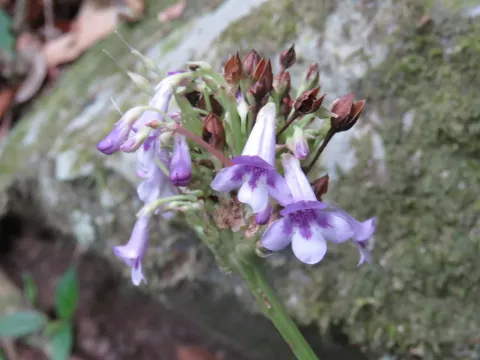
Tetranema
Tetranema
Tetranema is a genus of herbaceous flowering plants belonging to the Plantaginaceae family. The most widely cultivated species, Tetranema roseum, is often referred to as the Mexican foxglove due to its unique bell-shaped flowers and cultural origin in the tropical forests of Mexico.
What the section contains

Tetranema
This crop thrives in environments that mimic its native habitat, specifically requiring high humidity and protection from direct, intense sunlight. It is typically grown as an ornamental indoor plant or in specialized greenhouse conditions where microclimates can be strictly controlled.
The soil requirements for Tetranema focus on a well-draining, nutrient-rich substrate. A standard mix including peat moss, perlite, and a small portion of compost is ideal to maintain moisture levels while ensuring that oxygen reaches the delicate root system effectively.
Agrotechnical practices for Tetranema include consistent but moderate watering schedules. Over-watering is a common mistake that leads to severe physiological stress; therefore, it is recommended to allow the top layer of the substrate to dry slightly between watering sessions.
Temperature management is crucial for the successful growth of this plant. It prefers stable temperatures between 18°C and 24°C throughout the year. Drastic temperature fluctuations or exposure to frost will immediately damage the foliage and inhibit the plant's blooming potential.
The primary threats to Tetranema health involve fungal infections caused by over-saturation of the potting medium. Root rot is the most common condition resulting from poor drainage, often manifested by yellowing leaves and a lack of vitality in the plant's growth.
Pest management should focus on monitoring for sap-sucking insects such as spider mites and mealybugs. These pests can rapidly colonize the undersides of leaves, and early intervention using horticultural oils or insecticidal soap is necessary to maintain the aesthetic quality of the crop.