
Variable plantain
Plantago varia
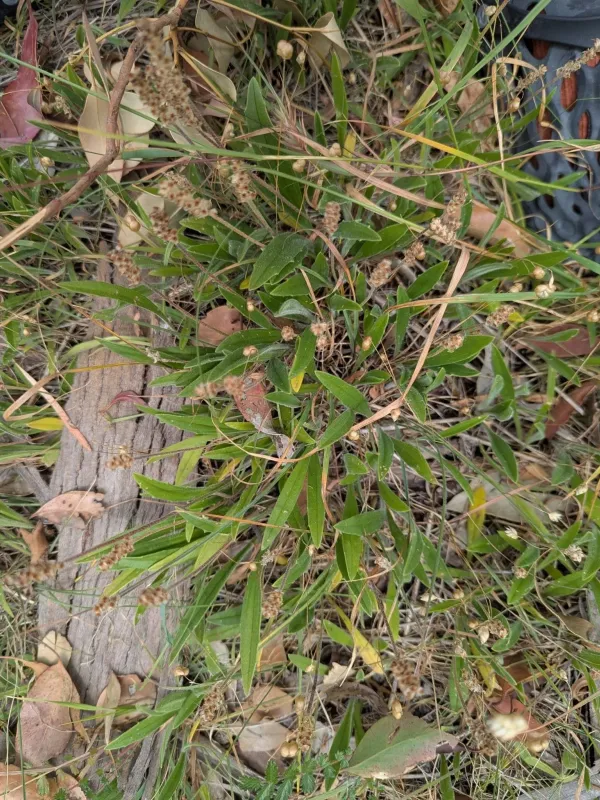
Description
Sowing dates
Sowing of Variable plantain (Plantago varia) is typically conducted in early spring once soil temperatures reach 10–12 degrees Celsius. Ensuring consistent moisture in the upper soil layers during the first few weeks after sowing is critical for successful germination.
The seeds should be sown at a shallow depth of 1–2 centimeters, followed by light soil compaction to ensure firm contact between the seeds and the substrate. This practice accelerates water uptake and leads to more uniform seedling emergence across the field.
The sowing rate depends on the intended use of the crop. For green mass production, a higher plant density is recommended to shade out weeds, whereas lower densities are sufficient for seed multiplication plots where individual plant vigor is preferred.
Using stratified or high-viability seeds is highly recommended for professional cultivation. Proper seedbed preparation, including the removal of perennial rhizomatous weeds, provides the crop with a competitive advantage during the slow initial growth phase.
The selection of the sowing site should prioritize areas with good drainage, as waterlogging is detrimental to young seedlings. Fields previously used for cereal crops often serve as excellent locations for establishing new plantations.
Growing requirements
Variable plantain is a hardy perennial belonging to the Plantaginaceae family. It is known for its remarkable adaptability to various environments and its capacity to thrive in diverse soil conditions, ranging from heavy clays to lighter sandy loams.
The plant performs best in full sun exposure, which supports vigorous development of its leafy rosette. While it tolerates a variety of pH levels, the optimal range for agricultural cultivation is between 6.0 and 7.5 to ensure maximum nutrient availability.
Although the species exhibits moderate drought tolerance once established, consistent soil moisture remains essential for high biomass yields. Supplemental irrigation is advisable during extended dry spells to keep the plant in a vegetative state.
The temperature range for optimal growth is 18–25 degrees Celsius. The plant is frost-tolerant and can survive colder winters if provided with adequate protection, such as snow cover or surface mulch, which also helps preserve soil moisture.
Agricultural management should focus on soil aeration. Regular inter-row cultivation during the first year helps suppress weeds and improves oxygen access to the roots, which is vital for the longevity of the plantain stand.
Yield
The yield of Variable plantain is determined by soil fertility and the frequency of harvests. With appropriate fertilization, particularly with nitrogen and potassium, the plant can produce several cuts of biomass per growing season.
Maintained plant density is the primary driver of total yield. As a perennial crop, the stand requires periodic rejuvenation or supplemental fertilization to sustain high levels of productivity over several years of cultivation.
Dry biomass yields are sufficient for commercial application in herbal medicine and livestock fodder. By managing the cutting height and timing, farmers can effectively balance biomass production with the plant's ability to regenerate.
Seed production is harvested once the spikes turn brown, indicating full maturity. Because seeds are prone to shattering, timing the harvest during dry weather is essential to minimize losses during the collection process.
As a forage crop, Variable plantain offers high nutritional value. It is particularly valued in grazing systems because it recovers rapidly after trampling, providing a consistent supply of vitamins and minerals for livestock.
Main diseases and pests
Fungal diseases, including powdery mildew and various leaf spot pathogens, represent the most significant threat during periods of high humidity. Proactive monitoring is necessary to prevent these diseases from affecting yield quality.
Pests such as aphids and various leaf-feeding insects can damage the foliage, reducing the photosynthetic area. Integrated pest management, emphasizing biological controls, is preferred to maintain the health and chemical purity of the crop.
Root rot is commonly associated with poor drainage and excessive soil moisture. Proper field preparation and avoiding the selection of low-lying areas that are prone to waterlogging are the best preventive strategies against this condition.
Minimizing mechanical damage during field operations is crucial, as plant wounds can act as entry points for bacterial and viral infections. Careful handling of equipment and precision maintenance help keep the plantation healthy.
Choosing resistant cultivars is the foundation of a successful crop strategy. Spatial isolation from wild relatives of the same family helps prevent the spread of diseases and pests from neighboring unmanaged patches.
Harvesting
Harvesting for medicinal or nutritional purposes should occur at the peak of the flowering stage, when the concentration of beneficial compounds is highest. A cutting height of 5–7 centimeters is recommended to preserve growth points for regeneration.
Prompt processing after harvest is vital to prevent the green mass from heating up and spoiling. The biomass should be transported quickly to the drying facility, especially if harvested under warm and humid conditions.
Drying is conducted in shaded, well-ventilated areas or in industrial driers at temperatures not exceeding 45 degrees Celsius to retain the plant's active ingredients and natural color profile.
Seed harvesting requires precision due to the small size of the seeds and their tendency to fall when fully mature. Using mechanical seeders or manual collection of spikes followed by threshing ensures maximum recovery of the seed crop.
Post-harvest storage involves ensuring the seeds or dried leaves are kept in dry, cool, and dark conditions. Final seed moisture content should be kept at 10–12 percent to maintain viability during storage.