
Three-stamen plantain
Plantago triandra
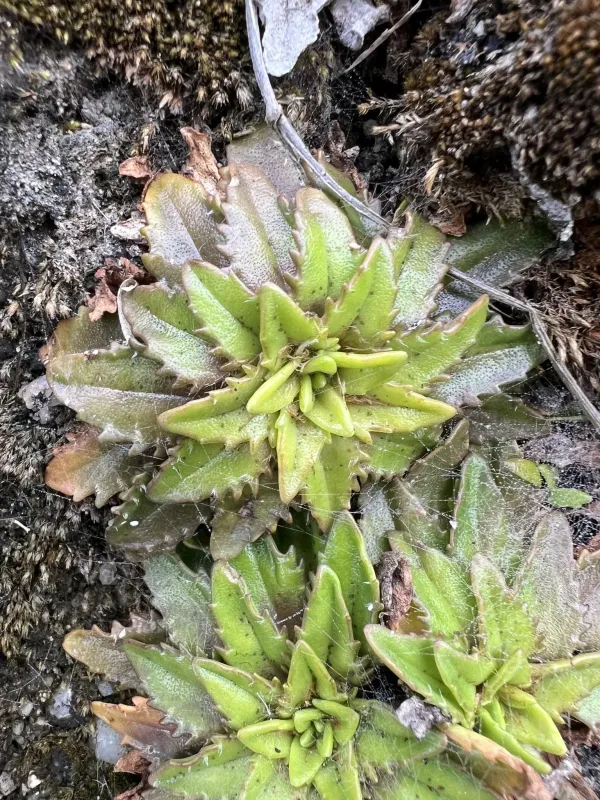
Description
Sowing dates
Three-stamen plantain (Plantago triandra) is a perennial herbaceous plant from the Plantaginaceae family. It is known for its adaptation to various humid environments and is valued for its specific biochemical properties.
Sowing should take place in early spring once the soil temperature consistently reaches 8–10 degrees Celsius. In regions with milder winters, late autumn sowing is possible to allow natural stratification of the seeds.
Seeds should be sown shallowly, ideally at a depth of 1–1.5 centimeters, because of their small size. Proper contact with the moist soil is essential for quick germination and the establishment of a uniform plant population.
Optimal spacing between rows should be maintained at 30–40 centimeters to ensure adequate space for the development of the leaf rosette and for subsequent cultivation and weed control operations.
Seedlings typically emerge within 2–3 weeks under favorable moisture conditions. It is crucial to manage competition from weeds during the early establishment phase to ensure the young plants are not suppressed.
Growing requirements
This crop thrives in soils with high organic matter content and good moisture retention. Neutral to slightly acidic soil reaction is ideal for optimal growth and nutrient uptake, especially during the peak of vegetation.
Plantago triandra requires sufficient light for robust growth, although it shows moderate tolerance to shading during high-heat periods. Consistent moisture levels are vital for maintaining leaf quality and quantity throughout the season.
A well-structured soil with good aeration is necessary to prevent root rot. Regular loosening of the soil between rows is a recommended practice to improve oxygen access and overall soil health for the plant's surface root system.
Fertilization regimes should prioritize a balanced supply of nitrogen, phosphorus, and potassium. Nitrogen application is particularly effective during the early growth phase, while potassium enhances plant resilience to environmental stress.
Adequate hydration is critical. In areas where precipitation is insufficient, irrigation systems should be installed to maintain stable humidity levels, which prevent the leaves from becoming prematurely tough and losing medicinal value.
Yield
Yield productivity is primarily determined by the quality of crop maintenance and soil fertility. Usually, the first harvest is performed starting from the second year, allowing the root system to strengthen and develop fully.
Depending on the climatic conditions, 2–3 harvests per season are feasible. It is important to harvest before the plant enters full senescence to ensure the highest concentration of active ingredients in the leaf tissue.
Average yield rates can reach 15–25 decitonnes of dried material per hectare when utilizing intensive management techniques. Harvesting should be done at a height of 3–5 centimeters above the rosette base.
After each cut, the plants benefit from immediate post-harvest fertilization and light cultivation to support rapid regrowth. Improper management after harvest can lead to delayed growth and lower yield in subsequent cycles.
Drying the harvested material quickly is essential to preserve quality. The material must be spread out in ventilated areas with temperatures kept below 45 degrees Celsius to avoid oxidative damage to the leaves.
Main diseases and pests
Fungal diseases, such as powdery mildew and various leaf spot pathogens, are the most common threats, especially in dense plantings with poor air circulation. Controlling moisture levels is the primary preventative measure.
Insect pests, including aphids and various leaf-eating beetles, can cause significant damage to the leaf biomass. Integrated pest management strategies, utilizing biological agents, are preferred to maintain the quality of the raw material.
Crop rotation is mandatory to prevent the buildup of soil-borne pathogens. Avoid planting on fields where related plant species have been recently grown to reduce the risk of shared pest and disease issues.
Weed control is vital not only for reducing competition but also because many weeds serve as host plants for pests that attack the plantain. Regular monitoring of the field ensures the early detection of any emerging threats.
If chemical treatments are necessary, they must be applied according to strict safety regulations for medicinal plants. All application of pesticides must be ceased well in advance of the scheduled harvest date.
Harvesting
Harvesting is ideally conducted during the morning hours once the dew has evaporated, as this timing ensures the best quality and prevents spoilage. Cleanliness is paramount to avoid contaminating the final product.
Mechanical harvesting involves the use of specialized mowers that can adjust the height of the cut. Proper calibration of the cutting mechanism prevents soil particles from entering the harvested biomass, ensuring a cleaner product.
Efficiency in transporting the harvested material to the drying site is essential. Delays in post-harvest processing can lead to heating and moisture accumulation, which rapidly degrade the quality of the medicinal herbs.
For seed production, select only the healthiest, most vigorous plants and exclude them from the regular leaf harvest cycle. Seed collection happens once the inflorescences turn dark and dry out naturally.
Storage of the finished product requires a cool, dry, and dark environment. Proper packaging that allows for air exchange prevents mold growth and ensures the material remains viable for pharmaceutical use for an extended period.