
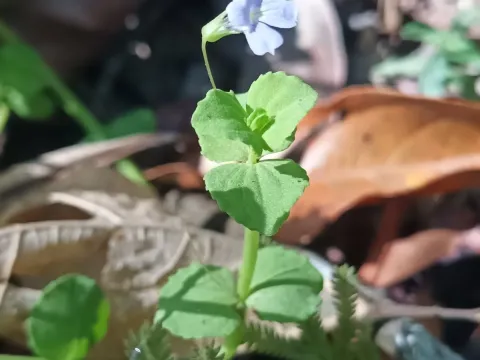
Conobea
Conobea
The genus Conobea belongs to the Plantaginaceae family, representing a group of herbaceous plants predominantly found in tropical environments. These plants are native to the Americas, where they inhabit humid and shaded ecosystems.
What the section contains


Conobea
Botanically, Conobea species are characterized by their distinct leaf arrangement and small, often zygomorphic flowers. Their biological structure is evolved to thrive in high-humidity areas, including riparian zones and wetlands.
The climate requirements for Conobea are strictly tropical, necessitating stable high temperatures throughout the year. They lack cold hardiness and must be protected from any frost or significant temperature drops.
Soil preferences involve nutrient-rich, moisture-retentive substrates that mimic the natural organic-heavy forest floor. Good soil structure is essential, although the plants tolerate waterlogged conditions better than most herbaceous species.
In terms of agricultural or utilitarian use, Conobea is primarily utilized in niche horticulture and botanical research, serving as a model for studying tropical plant adaptation to hydric soils.
Fungal diseases are the primary threat to Conobea populations, particularly in environments with poor air circulation and excessive humidity. Symptoms often manifest as leaf spots or stem lesions.
Root rot remains a critical issue if the substrate temperatures drop significantly while the soil remains wet. This combination creates an ideal environment for pathogenic fungi to thrive.
Pests such as spider mites and aphids are frequently observed, particularly in controlled environments. These pests feed on the nutrient-rich tissues of the foliage, potentially stunting growth.
Integrated Pest Management (IPM) strategies are recommended to maintain plant health, focusing on maintaining optimal humidity levels and preventing the introduction of pathogens through contaminated soil.
Sanitation practices, such as removing debris and infected plant tissues immediately upon discovery, are crucial for preventing the spread of diseases within the cultivation area.