
Cylindrical plantain
Plantago cylindrica
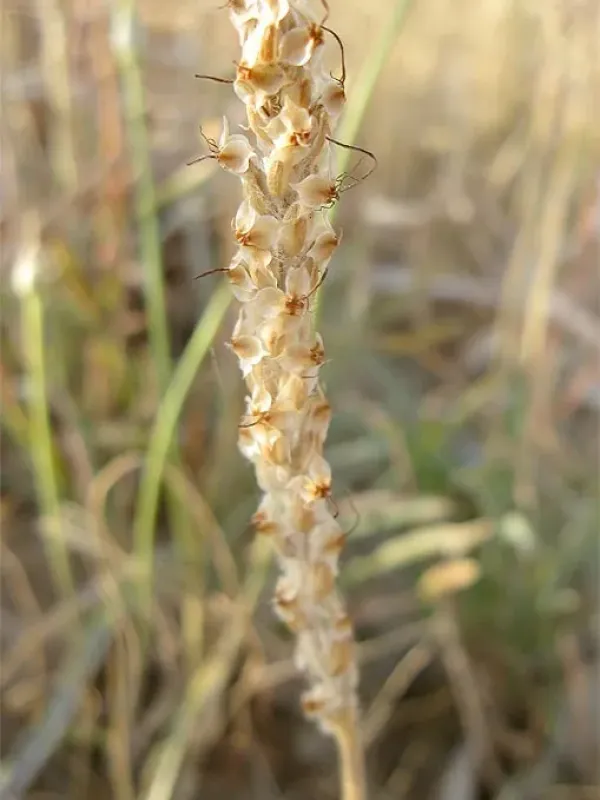
Description
Sowing dates
Cylindrical plantain, a member of the Plantaginaceae family, is a perennial herbaceous plant with specific growth requirements. Early spring is considered the optimal time for sowing, once soil temperatures reach 10–12 degrees Celsius, ensuring uniform emergence.
The seeds of this crop are small, requiring a shallow sowing depth of no more than 0.5–1 cm. If sowing is delayed, irrigation is essential to prevent soil surface desiccation, which can be fatal for developing seedlings.
For high-quality planting material, stratified seeds are recommended to improve field emergence rates. Row planting is the preferred method, allowing for mechanized field operations and effective inter-row cultivation during the growing season.
Planting density should be adjusted based on soil fertility and the intended harvesting method to prevent overcrowding. In industrial cultivation, late autumn sowing is often practiced to allow seeds to undergo natural winter stratification.
Regular monitoring of field conditions during the initial growth stages is vital for developing a robust root system. Proper sowing organization ensures consistent development of the aerial biomass necessary for later processing.
Growing requirements
The plant shows high adaptability to various soil types, but performs best in loamy and fertile sandy-loam soils with efficient drainage. It poorly tolerates waterlogging and standing water, which may lead to root rot infections.
Cylindrical plantain is a light-loving crop requiring open, well-lit fields. Lack of sunlight negatively impacts the plant's biochemical composition and the concentration of active pharmaceutical ingredients within its tissues.
The optimal temperature for active growth ranges between 18–25 degrees Celsius. The crop possesses sufficient winter hardiness, allowing it to be grown in temperate zones with proper protection during harsh, snowless winters.
Soil moisture requirements are moderate, but the plant is extremely sensitive to prolonged drought during the stem-extension phase. Maintaining stable moisture levels via drip irrigation or overhead spraying is strongly advised.
Soil preparation includes essential organic fertilization in the autumn followed by deep plowing. Mineral fertilizers rich in potassium and phosphorus help strengthen cell walls and increase the overall stress resistance of the crop.
Yield
The yield of cylindrical plantain depends directly on the agronomic background, plant density, and the timeliness of all technological operations. On average, with consistent maintenance, farmers achieve stable biomass output over several years.
The main value of the crop lies in its leaves, which contain a wide range of bioactive compounds used in the pharmaceutical industry. Harvesting occurs during the full-flowering stage, when the concentration of beneficial substances is at its peak.
Proper drying of the collected material in ventilated rooms or specialized drying facilities is critical to preserving product quality. Gradual moisture loss prevents leaf darkening and loss of pharmacological value.
Subsequent processing requires adherence to high purity and storage standards. Industrial production is focused on creating standardized dry extracts, which are highly demanded components for medical product manufacturing.
Statistics indicate that proper crop rotation and timely replacement of degenerated plant patches allow for high levels of economic profitability. The application of modern fertilizers can increase the total merchantable mass by 15–20 percent.
Main diseases and pests
Powdery mildew is a primary disease of the crop, especially under high humidity conditions. Management involves using approved fungicides and ensuring adequate spatial isolation to limit the spread of pathogens.
Root rot poses a significant threat if irrigation schedules are ignored or if soil drainage is insufficient. Prevention relies on selecting proper preceding crops and adhering to a strict rotation cycle to prevent pathogen accumulation.
Pests such as spider mites and leaf-eating insects can cause substantial damage during dry periods. Pest population monitoring should be conducted weekly using pheromone traps and visual field inspections.
Biological control methods, including the use of beneficial entomophages, are becoming increasingly popular in eco-friendly agriculture. This approach minimizes chemical exposure in raw materials destined for pharmaceutical use.
A comprehensive plant protection program must integrate agronomic, chemical, and biological methods. Only a systematic approach allows for minimizing harvest losses while ensuring the production of high-quality, safe goods.
Harvesting
The harvesting process requires precise timing, as the quality of the raw material is highly dependent on the stage of vegetation. The optimal time is during dry weather, after morning dew has evaporated, to speed up the drying process.
Specialized harvesting equipment, adjusted to a specific cutting height, is used to avoid damaging the growing point and the root system. This allows the plant to recover faster and prepare for the next mowing cycle.
Freshly harvested material must be transported to processing facilities within hours to avoid self-heating and unwanted enzymatic processes. Ventilated containers help maintain leaf structure until drying begins.
After harvesting, the field must be cleared of plant residues to reduce pest overwintering risks. Controlling weed overgrowth after mowing is crucial, as weeds compete with the primary crop for water and nutrients.
Storage of dried material is carried out in airtight packaging within dry and cool warehouse facilities. Strict humidity control within the storage area is mandatory to prevent product spoilage by microorganisms.