
Cymbalaria aequitriloba
Cymbalaria aequitriloba
Description
Growing requirements
Cymbalaria aequitriloba is a member of the Plantaginaceae family, originating from the Mediterranean region. It is highly valued in horticulture as an ornamental groundcover, typically used in rock gardens, crevices, and container gardening.
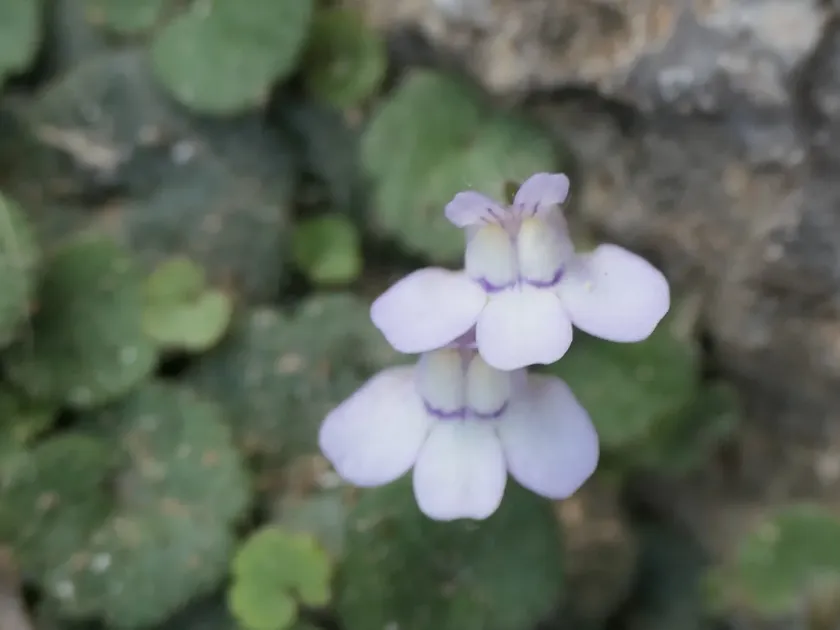
This perennial herb possesses delicate, kidney-shaped leaves and produces small, charming flowers. Its botanical structure allows it to spread via stolons that root easily into the substrate, forming dense, low-growing mats of vegetation.
The plant requires well-drained, moderately fertile soil with a neutral to slightly alkaline pH. It thrives in locations with partial shade and high humidity, as it is sensitive to intense, direct afternoon sunlight which can scorch the foliage.
Climate requirements include protection from extreme temperature fluctuations. While it has some tolerance for cold, it prefers mild, temperate conditions where the soil does not freeze solid for extended periods of time.
Regular maintenance involves light pruning to keep the plant within its desired boundaries and periodic watering during drought spells. It does not require intensive fertilization, as it can adapt to nutrient-poor rocky environments.
Main diseases and pests
The most significant threat to the health of Cymbalaria aequitriloba is root rot, caused by waterlogged soil conditions. Proper drainage is essential to prevent the accumulation of moisture, which encourages pathogenic fungi.
Slugs and snails are the primary pests that damage the plant's soft tissue. These mollusks are particularly active during damp weather and can quickly consume young leaves, affecting both aesthetics and plant vitality.
Aphids may occasionally infest the plant during the early growth phase. Early detection and the application of insecticidal soaps are standard methods to mitigate these infestations without harming the delicate leaves.
Powdery mildew can occur in environments with poor air circulation. To prevent this disease, it is crucial to avoid overhead watering and ensure the planting area is exposed to a gentle breeze.
Finally, competition from aggressive weeds can easily smother the plant. Regular monitoring and manual weeding are necessary to ensure the plant maintains its growth coverage without being outcompeted by more vigorous species.