
Conobea scoparioides
Conobea scoparioides
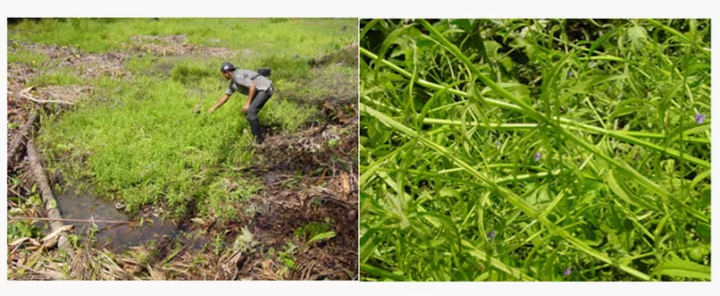
Description
Growing requirements
Conobea scoparioides is an herbaceous annual plant belonging to the Plantaginaceae family. Native to the tropical regions of South America, it typically thrives in marshy environments and along riverbanks, where moisture levels remain consistently high throughout the season.
The cultivation of this crop requires specific environmental conditions, primarily focusing on high humidity and warm temperatures. It prefers nutrient-rich, moist soils that offer good aeration but retain sufficient water to prevent the root system from drying out completely.
Botanically, the plant is characterized by a bushy, branched stem structure, often reaching a moderate height. Its leaves are simple and opposite, while the small, solitary flowers emerge from the leaf axils, reflecting the classic floral morphology of the Plantaginaceae family.
In terms of agricultural management, the crop requires careful irrigation scheduling to mimic its natural wetland habitat. It is highly sensitive to drought stress, which can significantly stunt growth and reduce the overall biomass production of the plants.
The economic value of Conobea scoparioides is primarily linked to its medicinal properties. Various studies have highlighted the presence of secondary metabolites in the plant tissues, which makes it a subject of interest for sustainable agricultural production and phytochemistry.
Main diseases and pests
The crop is susceptible to a range of fungal diseases, particularly those triggered by poor air circulation and excessive water accumulation. Leaf spots and root rots are common concerns that require diligent field management and spacing strategies.
Pest management should focus on monitoring for sap-sucking insects like aphids, which are common in warm and humid environments. Implementing early detection and control measures is crucial to ensure the health and vitality of the crop stand.