
Conobea aquatica
Conobea aquatica
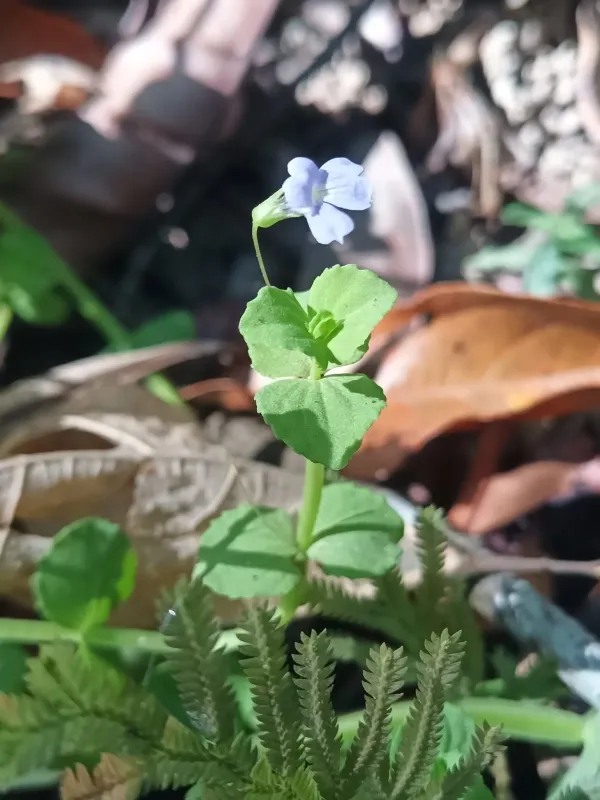
Description
Growing requirements
Conobea aquatica is a distinct species within the Plantaginaceae family, primarily adapted to aquatic and semi-aquatic habitats. This plant is known for its graceful form and its role in maintaining biological balance in its native tropical and subtropical ecosystems.
Botanically, it features succulent-like stems and specifically shaped leaves that facilitate gas exchange underwater. Its root system is designed to anchor the plant in loose, organic-rich substrates, allowing it to draw nutrients directly from the sediment in wetland conditions.
Temperature requirements are critical for Conobea aquatica. To thrive, it requires consistently warm water and ambient air temperatures between 20°C and 28°C. Any exposure to cold stress or freezing temperatures will significantly damage the plant's metabolic functions.
The substrate should be rich in organic matter, such as composted peat or specialized aquatic soil mixes. Ensuring that the substrate remains permeable is essential to prevent anaerobic conditions from developing around the roots, which could lead to root rot.
Regarding cultivation practices, light management is paramount. Conobea aquatica thrives under bright, filtered light. In indoor environments, providing a photoperiod of 10-12 hours per day using full-spectrum lighting systems is standard for maximizing growth rates.
Main diseases and pests
The most common disease threats include fungal pathogens that thrive in stagnant water environments. These fungi can compromise the structural integrity of the plant's stems, leading to decay and eventual collapse of the plant population.
Insect pests, particularly those specific to aquatic environments, can cause significant leaf damage. Regular inspection for larvae or beetles that feed on succulent aquatic tissues is necessary to mitigate damage before it becomes irreversible.
Algal blooms pose a major competitive threat to Conobea aquatica. Excessive algae growth can smother the leaves, preventing essential light absorption and gas exchange, which weakens the plant over time.
Nutrient deficiency, particularly a lack of chelated iron, often manifests as chlorosis in younger leaves. If left untreated, this deficiency makes the plant more susceptible to opportunistic infections from water-borne bacteria.
Effective pest and disease control requires a preventative strategy involving good water circulation and the occasional removal of dead organic matter from the cultivation area to maintain optimal health conditions for the crop.