
Adenosma javanica
Adenosma javanica
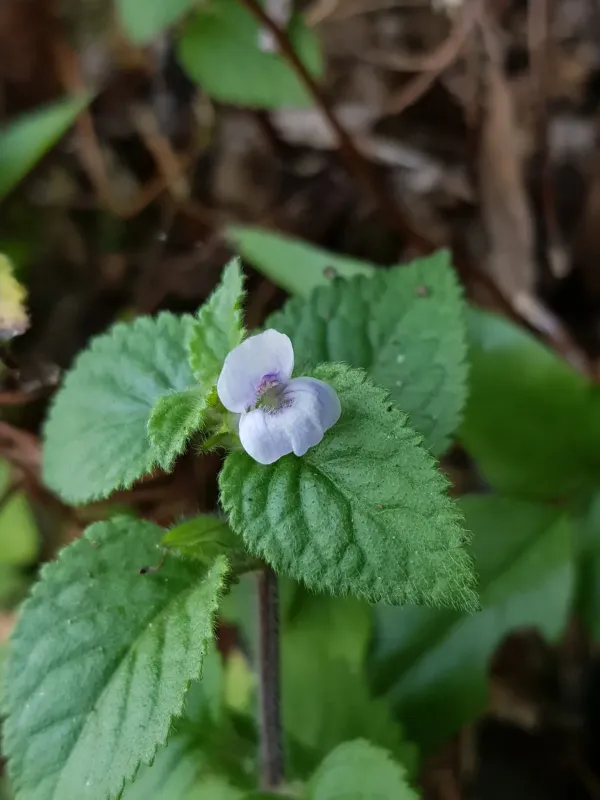
Description
Growing requirements
Adenosma javanica is an annual herbaceous plant belonging to the family Plantaginaceae. It is native to the tropical regions of Southeast Asia, specifically flourishing in areas with high humidity and consistent warmth such as Indonesia and Vietnam.
Climatic requirements are specific to tropical zones, as the plant demands significant heat and moisture to complete its lifecycle. Exposure to cold temperatures or frost is lethal to the plant, making it unsuitable for cultivation in temperate climates without controlled greenhouse conditions.
The crop thrives in fertile, water-retentive soils that are rich in organic matter. While it prefers moist environments, maintaining soil structure to prevent excessive waterlogging is essential for healthy root system development.
Agronomic management involves maintaining consistent irrigation schedules and high humidity levels. Proper spacing is necessary to facilitate airflow and sunlight penetration, which are vital for the synthesis of volatile compounds within the plant tissues.
The primary economic use of Adenosma javanica lies in its medicinal properties. The plant is utilized for extracting essential oils and bioactive substances used in traditional remedies for their antimicrobial and anti-inflammatory effects.
Main diseases and pests
Disease management is critical, as the moist environment required for growth also favors the development of fungal pathogens like Rhizoctonia and various leaf blights. Implementing crop rotation and using disease-free seeds helps manage these risks.
Pest pressures primarily come from sap-sucking insects such as aphids and spider mites. These pests thrive in high-density plantings and can significantly reduce the yield of high-quality foliage if not monitored and managed through organic or synthetic control agents.