
Adenosma indianum
Adenosma indianum
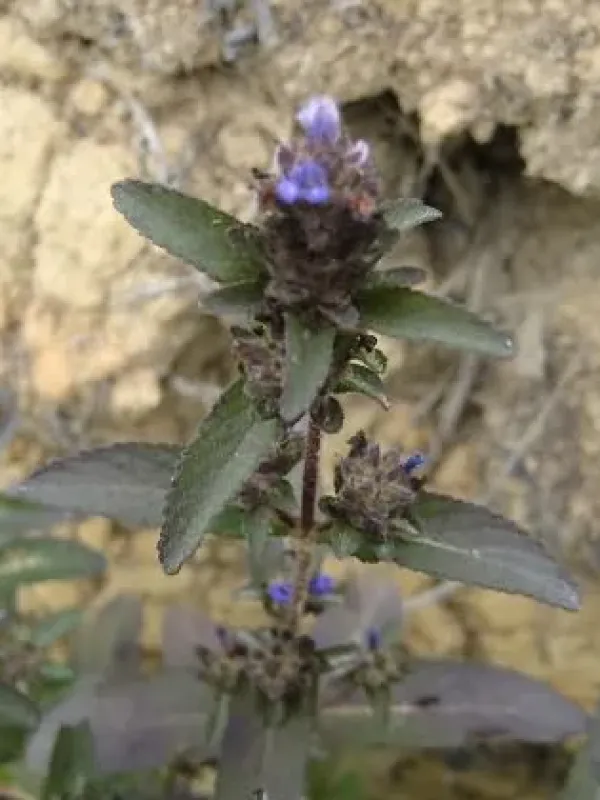
Description
Sowing dates
Adenosma indianum is an annual herbaceous plant belonging to the Plantaginaceae family. Successful cultivation begins with the selection of high-quality seeds and the preparation of a substrate that mimics the plant's natural, well-draining tropical environment.
The sowing process is typically carried out in seed trays under controlled conditions. Since the seeds are extremely small, they should be surface-sown onto a moist, fine-textured growing medium without being buried deeply, as light is essential for germination.
Maintaining a constant temperature between 25°C and 30°C is crucial for a high germination rate. During the early stages, it is important to prevent the substrate from drying out, which can be achieved through regular light misting or by using humidity domes.
Once the seedlings develop their first true leaves, they should be thinned to ensure they have enough space to grow without competition. Transplanting to the final growing location happens when the seedlings are robust and hardened off to the ambient conditions.
Spacing is a vital aspect of planting, as crowded plants are more susceptible to fungal issues. Aim for a grid pattern that allows for proper airflow and access for future weeding and maintenance tasks throughout the growing season.
Growing requirements
This crop thrives in fertile, loamy soils that possess excellent drainage. While it appreciates moisture, it is highly sensitive to waterlogging, which can cause root rot; therefore, selecting slightly elevated sites or raised beds is often recommended.
The climate requirements for Adenosma indianum include high temperatures and adequate humidity. It performs best in full sun, though in extremely hot climates, some partial shade during the peak afternoon hours can help maintain plant vigor and oil quality.
Regular irrigation is necessary to support the plant's rapid growth cycle. Drip irrigation systems are ideal for this culture as they keep the foliage dry, reducing the risk of leaf diseases while maintaining consistent soil moisture levels.
Nutrient management should focus on balanced organic fertilizers. Excessive nitrogen can lead to rapid, leggy growth that is prone to lodging and has a lower concentration of secondary metabolites, which are the main focus for commercial harvesting.
Weed control during the early stages of growth is essential, as the plant can be easily outcompeted by aggressive weeds. Mulching around the base of the plants can help suppress weed growth while retaining soil moisture and temperature stability.
Yield
The yield of Adenosma indianum is primarily measured by the total weight of harvested foliage per hectare. Productivity is maximized when the plant is harvested at the precise developmental stage before the peak of full flowering.
With proper crop management, farmers can achieve high volumes of biomass. Advanced cultivation techniques, including staggered planting dates, can help spread out the harvest labor and keep the processing facilities operating efficiently over a longer period.
The economic value of the harvest is closely linked to the essential oil content. Because this plant is highly prized for its aroma, handling the harvest gently to avoid bruising the leaves is critical to maintaining high market quality.
Research suggests that irrigation levels and soil fertility directly influence the plant's ability to produce oils. Optimizing these factors is the primary method for growers to increase the profitability of their plantations.
After harvesting, immediate processing is required to preserve the aromatic compounds. Proper logistics and efficient transport from the field to the drying facility are fundamental for achieving top-grade yields in large-scale operations.
Main diseases and pests
Adenosma indianum is relatively resistant to many pests due to the strong-smelling volatile oils it produces. However, it can still face challenges from common agricultural threats, particularly in environments with poor ventilation or high humidity.
Root pathogens and various types of fungal wilts pose the most significant risk. These are best managed by ensuring good drainage and practicing crop rotation to prevent the buildup of soil-borne diseases over successive seasons.
Aphids and mites may occasionally attack the tender growing tips. Integrated pest management, focusing on biological controls such as predatory insects, is preferred over chemical applications to maintain the purity of the medicinal product.
Early detection through frequent monitoring is the best strategy. Any signs of discoloration or stunted growth should be assessed immediately to determine if the issue is nutritional or caused by pests or pathogens.
Maintaining high hygiene standards in the field, including the removal and destruction of crop debris after harvest, helps to break the life cycles of many local pests and limits the recurrence of diseases in future plantings.
Harvesting
Harvesting is typically done manually or with specialized equipment when the plant is in its late vegetative or early flowering stage. This timing is essential to ensure that the accumulation of active ingredients is at its maximum.
The cutting height should be carefully calibrated. Leaving a portion of the stem allows the plant to potentially regenerate and provide a secondary harvest, though the secondary growth may be smaller and require careful monitoring.
For the best aroma preservation, harvesting should take place in the cool morning hours after the dew has evaporated. This minimizes the risk of overheating the green mass, which could lead to a loss of essential volatile oils.
Drying is the final and one of the most critical steps in the production process. Shade-drying in ventilated areas is preferred, as this protects the color and chemical integrity of the herb, ensuring a high-quality final product.
Post-harvest storage involves placing the dried herb in airtight containers away from direct light. This prevents oxidation and the loss of the plant's characteristic scent, ensuring that the therapeutic or culinary quality remains intact for the consumer.