
Microtea debilis
Microtea debilis
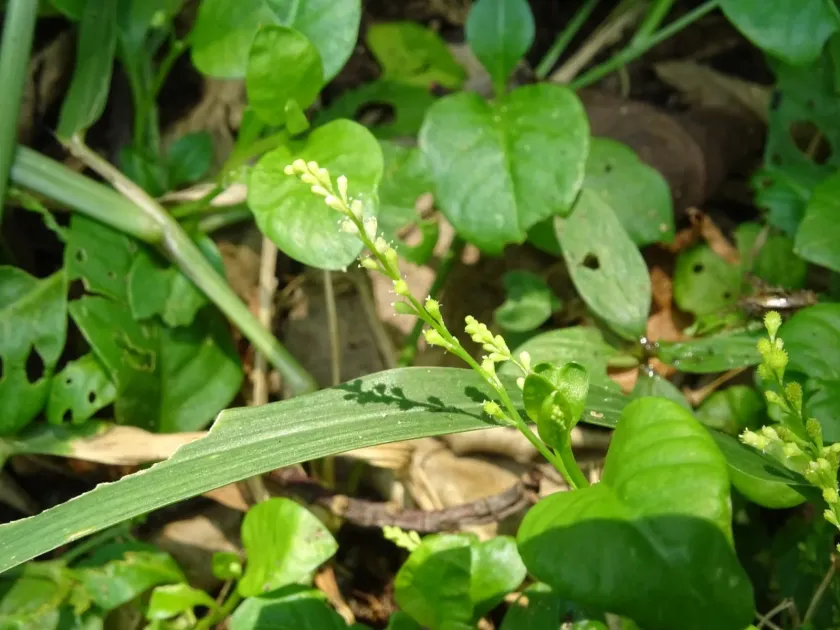
Description
Sowing dates
Microtea debilis is a member of the Phytolaccaceae family. It is an annual herbaceous plant primarily found in tropical and subtropical climates, characterized by its rapid vegetative growth cycle.
For successful cultivation, seeds should be sown in well-prepared, aerated soil once temperatures remain consistently above 18 degrees Celsius. The soil should be kept uniformly moist to ensure uniform germination rates.
A sowing depth of 1-2 centimeters is recommended to allow the seeds sufficient access to light and oxygen, which are critical for the initial development of the root system.
Row spacing should be maintained at 30-40 centimeters to ensure adequate space for each individual plant to develop its full canopy, which prevents competition for light and water.
Early-season weed management is essential for Microtea debilis, as the plant initially grows slowly and can be easily outcompeted by aggressive weeds in the field.
Growing requirements
This species thrives in tropical environments and requires warm temperatures, ideally between 22 and 28 degrees Celsius, to maintain optimal metabolic activity and leaf production.
Soil requirements include well-drained, sandy or loamy textures with a neutral to slightly acidic pH. Waterlogging must be avoided at all costs, as the roots are highly susceptible to rot under anaerobic conditions.
While the plant is moderately resilient to brief periods of drought, consistent irrigation is necessary for maximum biomass accumulation. Drip irrigation systems are highly effective for this crop.
Light exposure is a significant factor in plant development. Microtea debilis requires full sun or partial shade to synthesize the phytochemicals that are often the target for industrial use.
Fertilizer application should be balanced, focusing on organic nitrogen sources to stimulate lush green growth without causing excessive succulence that could attract pests.
Yield
The yield of Microtea debilis is determined by plant density, water availability, and the soil's nutrient profile. Under optimal conditions, producers can expect a substantial output of aerial parts.
Harvesting is typically conducted before the onset of flowering, as the nutritional and phytochemical concentration is highest in the fresh green biomass prior to seed formation.
This crop is primarily valued for its medicinal properties and as a specialized raw material for pharmaceutical extracts, which requires careful handling to preserve the active ingredients.
Successive planting cycles within the same growing season can potentially increase total annual yield, provided the regional climate allows for sustained warm weather.
Maintaining a clean production environment is vital for both yield and quality, ensuring that the harvested biomass is free from soil debris and cross-contamination.
Main diseases and pests
The primary threats to Microtea debilis include fungal root pathogens, which proliferate in damp, poorly ventilated soil environments, potentially causing complete crop failure.
Insect pests such as spider mites and aphids are known to feed on the foliage, particularly during hot and dry spells, leading to structural damage and reduced photosynthetic efficiency.
Integrated Pest Management (IPM) strategies, including the introduction of beneficial predatory insects and the use of natural botanical sprays, are recommended to control pest populations.
Fungal issues can be largely prevented by proper water management and ensuring adequate spacing between plants to improve airflow within the canopy.
Regular field scouting is necessary to identify early signs of infestation or infection, allowing for targeted intervention before the problem spreads across the entire cultivation area.
Harvesting
The harvest involves cutting the plants at a specific height above the soil line to allow for potential secondary regrowth or to ensure the clean collection of the biomass.
Immediate post-harvest cooling is required to prevent heat-induced tissue degradation and the loss of volatile compounds within the plant material.
Drying processes should be conducted in shaded, temperature-controlled facilities to prevent direct sunlight from oxidizing the active phytochemicals found in the leaves.
Once dried, the product should be stored in airtight, moisture-resistant packaging to prevent moisture uptake and the subsequent risk of mold development during storage.
Quality control at the harvest stage involves removing any wilted or discolored leaves, ensuring that only the highest quality material enters the supply chain.