
Ercilla
Ercilla volubilis
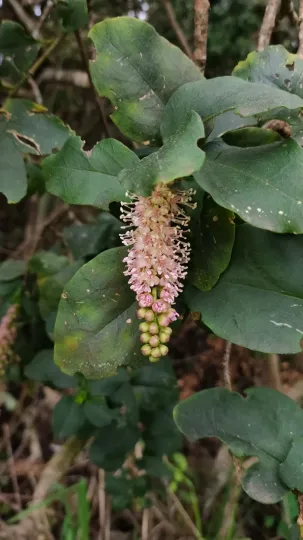
Description
Growing requirements
Ercilla volubilis, commonly known as Ercilla, is an evergreen woody vine belonging to the Phytolaccaceae family. Native to the forests of Chile and Argentina, this plant has adapted to climbing vertical surfaces using specialized adventitious roots.
The plant is highly valued in horticulture for its dense, leathery foliage and small, clustered flowers. It serves as an excellent candidate for vertical greening, covering walls, fences, and trellises efficiently once established.
In terms of climatic requirements, Ercilla prefers mild, humid environments. While it can tolerate moderate sunlight, it thrives best in semi-shaded areas, especially in regions with hot summers where direct scorching sun could damage the leaves.
The ideal soil profile for this species includes well-drained, nutrient-rich loamy soil. It is essential to ensure that the site does not hold standing water, as the plant is susceptible to root decay if the substrate remains waterlogged for extended periods.
Agrotechnical practices include consistent watering during the growth season and the installation of a sturdy support structure. Regular pruning is recommended to manage the growth habit and promote a denser, healthier vine canopy over time.
Main diseases and pests
Fungal pathogens associated with high humidity are the primary threats to Ercilla. Good air circulation is crucial to minimize the risk of mildew and leaf spot diseases, which can be detrimental to the plant's aesthetic appeal.
Pests such as aphids and scale insects are common adversaries. They tend to congregate on young growth and the undersides of leaves, requiring early intervention with horticultural oils or insecticidal soaps to prevent damage.
Root system pests, particularly grubs, can cause significant stress to young plants. Incorporating beneficial nematodes or using appropriate soil treatments can protect the root zone from such underground threats.
Nutrient deficiencies, specifically magnesium and iron, can lead to chlorosis. Maintaining a balanced fertilization schedule is key to preventing yellowing and ensuring the plant maintains its deep green coloration throughout the season.
Monitoring the plant for signs of stress is vital. Providing proper maintenance and ensuring a clean environment around the base of the vine significantly reduces the need for heavy chemical intervention.