
Cleistanthus sumatranus
Cleistanthus sumatranus
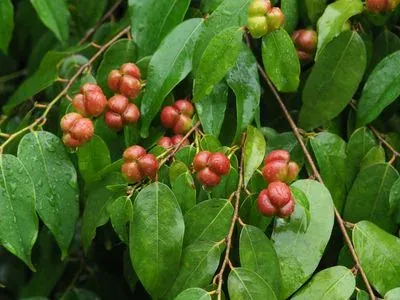
Description
Growing requirements
Cleistanthus sumatranus is a notable member of the Phyllanthaceae family, known for its adaptability to the specific microclimates of tropical rainforests in Southeast Asia.
The plant thrives in environments with high annual rainfall and consistent, warm temperatures, which are essential for maintaining its evergreen foliage throughout the growth season.
Regarding soil conditions, it requires well-drained, nutrient-rich, and slightly acidic substrates to support its rapid development and structural integrity in forest environments.
Morphologically, this species is characterized by its woody, perennial habit, featuring dense canopy structures that provide significant ecological benefits within its native habitat.
Its economic importance stems from its timber properties and the presence of bioactive compounds in its leaves and bark, which have been noted in ethnobotanical studies for various traditional applications.
Main diseases and pests
The primary health concerns for this species include various fungal pathogens that flourish in high-humidity tropical conditions, potentially causing root rot or leaf spots.
Pests such as bark beetles and various wood-boring insects present a serious threat to the longevity of the plant, especially if the tree is weakened by environmental stress.
Effective management strategies include ensuring adequate spacing in plantation settings and maintaining soil fertility to enhance the natural resistance of the plants.
Agricultural practice for this species focuses on preventive measures, including regular canopy inspection and sanitary pruning to mitigate the spread of potential diseases.
Conservation of the species is currently emphasized, as natural populations face pressure from habitat degradation and invasive species that disrupt the local forest ecosystem balance.