
Cleistanthus schlechteri
Cleistanthus schlechteri
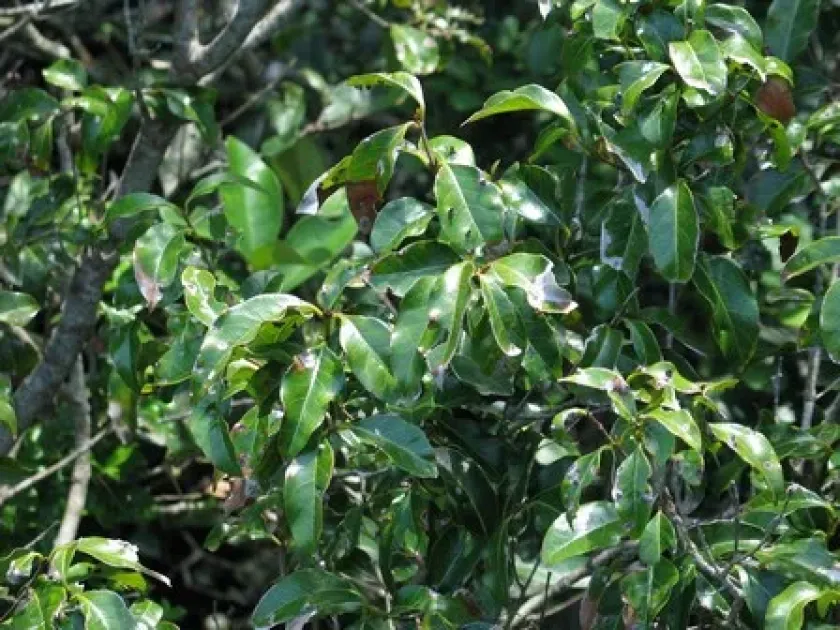
Description
Growing requirements
Cleistanthus schlechteri is a tree species belonging to the Euphorbiaceae family. It is native to tropical and subtropical regions of Africa, where it thrives in diverse ecosystems ranging from coastal forests to wooded savannahs.
Botanically, the species is characterized by its robust trunk and dense foliage. It acts as an important structural component of the forest understory or canopy, depending on the maturity and local competition levels within its native range.
The species requires stable, warm temperatures throughout the year to maintain active growth. It is sensitive to frost and extreme cold, meaning its cultivation is largely restricted to tropical and frost-free subtropical climates with consistent rainfall patterns.
Soil requirements focus on high drainage capacity. Cleistanthus schlechteri does not tolerate waterlogging, which often leads to root rot. Well-aerated, slightly acidic to neutral soils are ideal for supporting healthy growth and development.
Economically, the tree is primarily managed for its high-quality timber, known for its strength and durability. Beyond timber, the plant has traditional uses, necessitating sustainable management practices to ensure the long-term viability of the species.
Main diseases and pests
The primary threats to Cleistanthus schlechteri involve habitat destruction due to land-use changes and unsustainable harvesting. Fragmentation of forests poses a direct risk to natural regeneration and genetic diversity.
Fungal pathogens represent a significant biological threat, especially in humid environments where air circulation is restricted. Managing moisture levels and ensuring proper spacing between individuals can mitigate the risk of infection.
Insect pests, including various boring beetles, pose risks to wood quality and overall tree health. Regular monitoring is essential to detect signs of infestation before significant damage occurs to the stems or branches.
Competition from invasive plant species can hinder the establishment of seedlings. Early-stage management must involve weed control to provide the young trees with sufficient access to nutrients and sunlight.
Climate change impacts, such as erratic rainfall and altered seasonal temperatures, challenge the reproductive cycle of the tree. Long-term sustainability requires monitoring these environmental stressors to adapt conservation and forestry strategies.