
Phryma oblongifolia
Phryma oblongifolia
Description
Growing requirements
Phryma oblongifolia, a member of the Phrymaceae family, is a herbaceous perennial plant native to the moist forest regions of East Asia. This species is highly valued for its unique phytochemical properties and its resilience in shaded environments.
The plant thrives in loamy, nutrient-rich soils that maintain consistent moisture levels without waterlogging. It is essential to select sites that offer filtered sunlight, as intense, direct exposure can dehydrate the foliage and inhibit growth.
Optimal cultivation involves maintaining a soil pH between 6.0 and 7.0. Regular addition of organic compost helps sustain the necessary nutrient balance, ensuring robust development throughout the growing season.
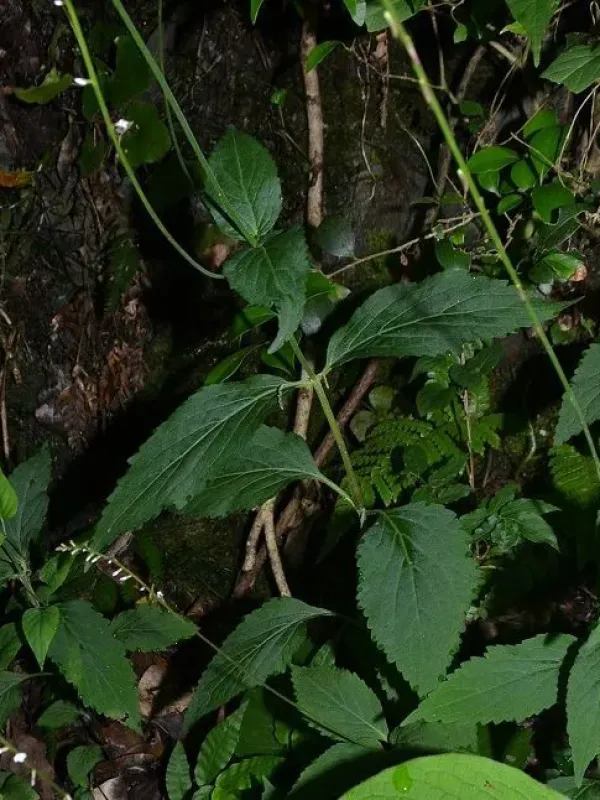
Botanically, the plant is characterized by its elongated leaves arranged in opposite pairs and distinctive flower spikes. Its root system is relatively shallow, which makes it well-suited for container gardening or woodland garden arrangements.
In terms of usage, the crop is primarily managed for pharmacological research and traditional herbal medicine. Its extracts have been studied for potential therapeutic benefits, making it an interesting subject for specialized botanical production.
Main diseases and pests
The primary threats to this crop include fungal infections caused by high humidity and poor air circulation. Root rot and leaf spot are the most frequent issues encountered when the environment becomes excessively damp.
Pest pressures often involve mollusks, such as slugs and snails, which can strip foliage during the early spring months. Aphids may also infest the plant tips, requiring careful monitoring to prevent stunted growth.
Effective management includes spacing plants adequately to promote airflow and keeping the base of the stems clear of excessive damp mulch. If pests are detected, prompt manual removal or the application of safe botanical oils is recommended.
Soil drainage is a critical preventive measure against most soil-borne diseases. Incorporating perlite or coarse sand into the growing medium can significantly reduce the risk of root-related pathogens.
Integrated pest management (IPM) strategies, which prioritize natural predators and healthy growth conditions, are highly effective in maintaining the health and yield of Phryma oblongifolia crops.