
Phryma leptostachya
Phryma leptostachya
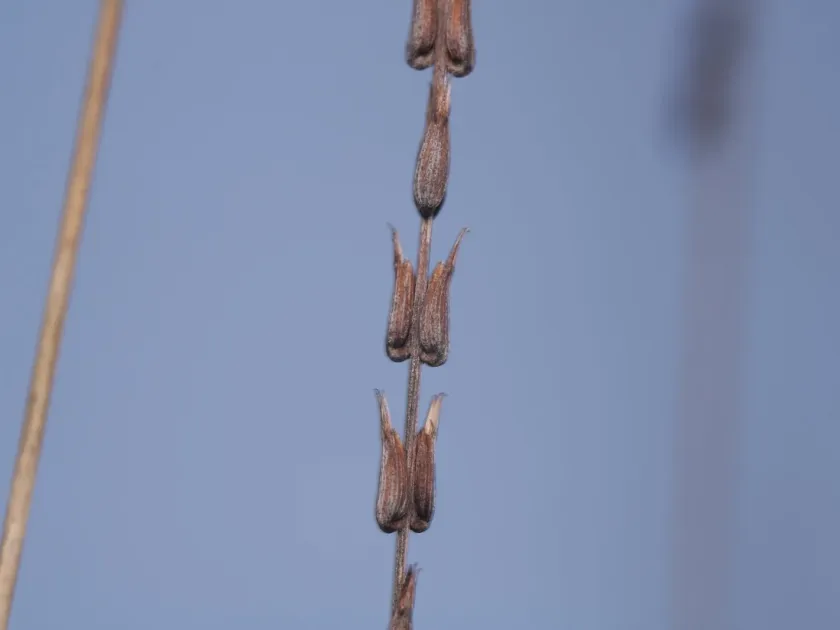
Description
Sowing dates
Phryma leptostachya, commonly known as lopseed, is a herbaceous perennial that benefits significantly from fall sowing. Seeds exposed to natural winter cooling cycles demonstrate a much higher germination rate when spring arrives.
For indoor propagation, seeds can be sown in late winter using a high-quality seed starting mix. Keep the tray in a cool, bright location, and maintain a consistent moisture level until the seedlings emerge, which may take several weeks.
When planting in the garden, ensure seeds are placed shallowly, as they need a bit of light for optimal germination. Proper spacing, approximately 15 inches apart, is essential to allow the plant to establish its root system without competing for resources.
Young plants should be carefully hardened off before being permanently moved to their garden location. This transition period helps the seedlings withstand environmental stress and promotes robust early growth.
Once established, the plant is capable of self-seeding, which helps it spread naturally in favourable environments. Gardeners can collect seeds after the fruiting stage to redistribute them in desired areas during the next planting season.
Growing requirements
Phryma leptostachya thrives in shaded or semi-shaded environments, mirroring its natural habitat within temperate forests. Direct, intense sunlight is generally discouraged as it can lead to premature leaf wilting and damage.
Soil requirements focus on high organic matter content, excellent drainage, and a slightly acidic to neutral pH. Incorporating compost or well-rotted leaf mold significantly enhances the soil's structure and nutrient availability.
Maintaining consistent soil moisture is crucial for the health of the plant, especially during the active growth phases. However, excessive moisture that leads to waterlogging should be strictly avoided to protect the roots.
The plant demonstrates good cold hardiness, although it appreciates a layer of mulch during the winter months. This protection helps regulate soil temperature and keeps the roots safe from sudden, extreme freezing events.
As a forest-dwelling species, it benefits from airflow and a cool microclimate. Planting it in areas protected from drying winds ensures that the foliage remains lush and healthy throughout the summer season.
Main diseases and pests
Aphids are the primary insect threat for Phryma leptostachya, often clustering on the undersides of leaves. Regular monitoring is key to preventing large-scale infestations that could drain the plant of its vitality.
Powdery mildew represents a major fungal challenge, particularly in regions with high humidity and poor circulation. Implementing wide spacing between individual plants helps mitigate the spread of fungal spores.
Slugs and snails may occasionally feed on the lush foliage, leaving behind unsightly holes and trails. Applying barriers like crushed eggshells or using organic baits can help manage these pests effectively.
Root rot, driven by stagnant water and pathogens, is a significant threat to long-term plant viability. Ensuring the soil has adequate drainage is the most effective preventative measure against these soil-borne diseases.
Effective management strategies include integrated pest management (IPM) practices, such as encouraging beneficial predatory insects. This approach reduces the need for chemical intervention and preserves the health of the surrounding ecosystem.