
Glossostigma elatinoides
Glossostigma elatinoides
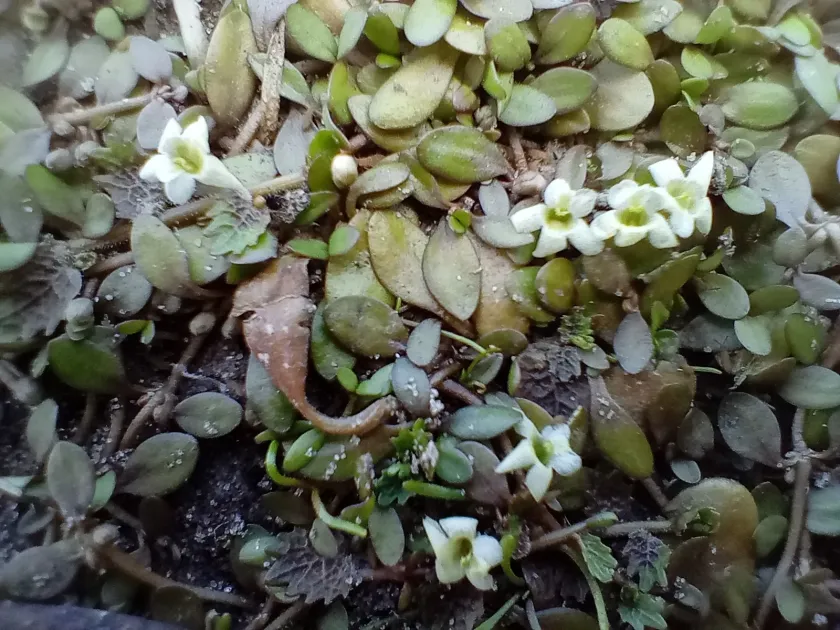
Description
Growing requirements
Glossostigma elatinoides belongs to the Phrymaceae family and is widely regarded as one of the most popular carpet plants in the hobby of aquascaping. It is highly valued for its ability to form dense, low-growing mats that provide a lush green foreground.
The plant originates from Australia and New Zealand, where it naturally colonizes wet, boggy areas and riverbanks. It has evolved to survive both fully submerged conditions and damp terrestrial environments.
Lighting is the most critical factor for successful cultivation. To maintain the low, creeping habit, the plant requires high-intensity lighting. If the light levels are too low, the plant will become spindly and grow upwards instead of spreading horizontally.
Nutrient-rich substrate is essential for healthy development. Because the plant has a relatively shallow root system, it relies heavily on the substrate for macro and micronutrients. Providing a good aquatic soil substrate significantly boosts growth rates.
Carbon dioxide supplementation is strongly recommended for this species. When supplied with sufficient CO2, Glossostigma elatinoides spreads rapidly through runners, creating a uniform carpet. Without CO2, growth is sparse and prone to stagnation.
Main diseases and pests
The primary threat to the stability of this carpet plant is the growth of hair algae. Because the plant is low to the ground and slow-growing compared to aquatic weeds, it is highly susceptible to being smothered by algae.
Nutrient imbalances, particularly a deficiency in iron, often lead to chlorosis. This condition manifests as yellowing of the leaves, which significantly reduces the plant's photosynthetic efficiency and can lead to die-back.
Accumulation of organic waste beneath the carpet can cause root rot. When debris builds up in the substrate, it creates anaerobic pockets that release hydrogen sulfide, eventually killing the roots and causing the carpet to detach and float.
In humid greenhouse or paludarium settings, aphids can pose a significant threat. These pests feed on the succulent tissue of the leaves and stems, which can quickly weaken the plant structure and stunt its development.
Inappropriate water parameters, such as excessive temperature or unstable pH, can stress the plant. This stress often triggers melting, where the plant tissue breaks down rapidly, leading to the destruction of the foreground carpet.