
Glossostigma spathulatum
Glossostigma spathulatum
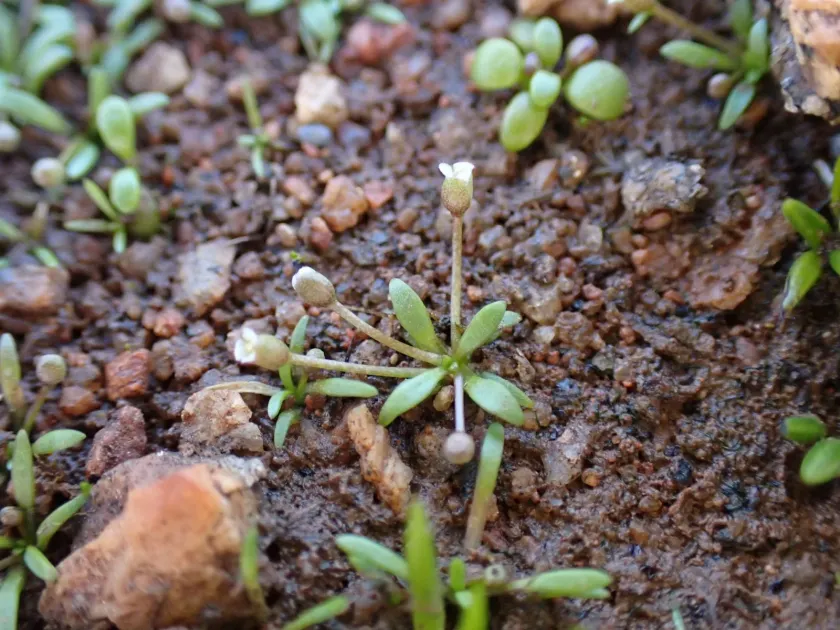
Description
Growing requirements
Glossostigma spathulatum is a miniature aquatic plant belonging to the Phrymaceae family. Native to Australia and New Zealand, it typically thrives in marshy environments and along the banks of freshwater bodies where it forms dense, low-growing mats.
In the hobby of aquascaping, it is highly valued for creating a vibrant green carpet on the foreground. The plant features small, spatula-shaped leaves that grow horizontally across the substrate when conditions are optimal.
High-intensity lighting is the most critical requirement for this species. Without sufficient light, the stems will stretch vertically, losing their aesthetic appeal and failing to form the desired dense ground cover.
A nutrient-rich substrate is essential for proper root development. The plant significantly benefits from regular CO2 injection and a balanced supply of micro and macro-nutrients added to the water column.
Regular maintenance, including frequent pruning, is required to prevent the carpet from becoming too thick. Dense layers can cause lower parts of the plants to die off due to lack of light and poor water circulation beneath the canopy.
Main diseases and pests
Algae infestations represent the primary threat to the health of the plant. Because of its low profile, Glossostigma is particularly susceptible to being smothered by hair algae or biofilm if the ecosystem is out of balance.
Poor water circulation within the mat can lead to root decay, especially if the substrate becomes compacted and anaerobic. This often results in patches of the carpet lifting or turning yellow.
Nutrient deficiencies, specifically iron or nitrogen, manifest quickly in the leaves, leading to chlorosis. If the deficiency is not addressed, the plant's growth will stunt, and it will eventually succumb to environmental stress.
Inhabitants such as large bottom-dwelling fish or snails can mechanically damage the delicate runners. This disturbance prevents the plant from anchoring properly and can lead to the entire carpet being uprooted.
Inappropriate water temperatures, particularly those consistently above 28°C, can lead to tissue degradation and melting. Maintaining stable conditions within the 22–26°C range is essential for long-term success.