
Damiana
Turnera diffusa Willd. ex Schult.
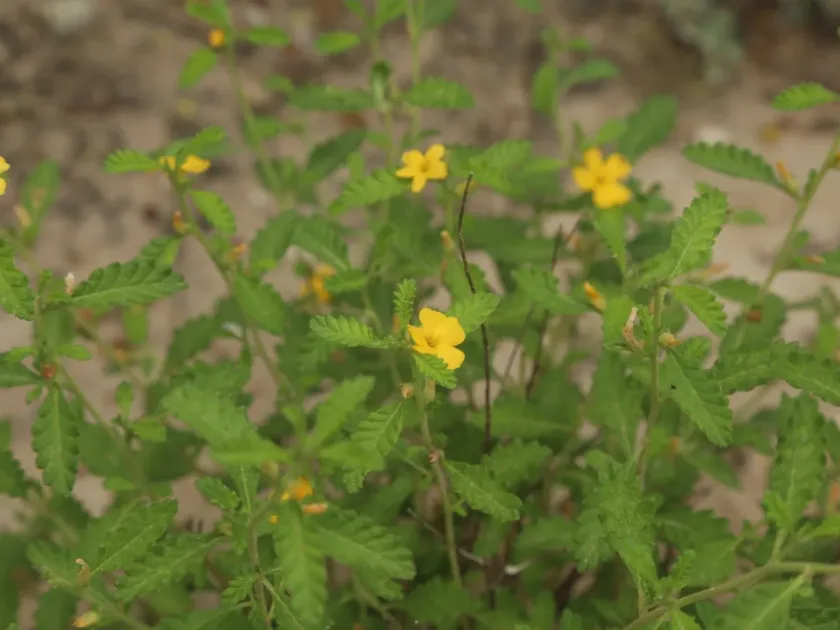
Description
Sowing dates
Damiana propagation is primarily carried out through seeds or cuttings under controlled climate conditions. Seeds are sown in a light, well-draining substrate with a high organic matter content.
The optimal time for sowing is early spring, once soil temperatures stabilize around 20–25 degrees Celsius. It is crucial to maintain consistent moisture levels until germination occurs, avoiding waterlogging at all costs.
When using cuttings, they should be taken from woody stems of healthy parent plants and planted in a sand-peat mixture. Rooting typically occurs within 4–6 weeks under high humidity conditions.
In its natural habitat, the plant can spread through self-seeding, but for commercial production, seedling technology is preferred. This approach ensures uniform growth and reduces the rejection rate of young plants.
Once seedlings reach a height of 15–20 cm, they are transplanted to their permanent location. Outplanting is only possible after the threat of frost has passed, as the plant is highly sensitive to cold.
Growing requirements
Damiana belongs to the Passifloraceae family (formerly Turneraceae) and is a typical plant species of arid and subtropical regions.
For successful growth, the crop requires well-lit areas with direct sunlight. The plant is adapted to poor rocky or sandy soils but exhibits better vegetative biomass on fertile, well-drained loams.
The optimal temperature range for growth is between 22 and 30 degrees Celsius. The crop is extremely drought-tolerant, although moderate regular irrigation during active growth periods is necessary for high-quality yields.
The soil should have a neutral or slightly acidic pH. Excellent drainage is a critical factor, as stagnant water in the root zone promotes fungal diseases and can lead to plant death.
In regions with harsh winters, growing damiana outdoors is not viable. In such climates, it is cultivated as a perennial potted plant or in heated greenhouses.
Yield
The yield of damiana depends directly on the quality of care, light intensity, and nutrient management. Under favorable conditions, the plant forms a dense canopy with lush foliage.
Biomass harvesting is performed at the onset of flowering, when the concentration of essential oils and active compounds in the leaves reaches its peak, ensuring maximum raw material quality.
With proper agronomic practices, 2–3 harvests of green mass per season are possible. The plant recovers quickly after pruning, allowing for stable productivity over several years.
The collected leaves are dried in the shade under well-ventilated conditions. This process prevents the loss of aromatic compounds and the oxidation of plant pigments, preserving the crop's valuable properties.
Average yield per hectare in intensive cultivation varies based on planting density and frequency of harvest. It is important to balance intensive exploitation with the plant's natural life cycle to ensure longevity.
Main diseases and pests
Fungal infections, often caused by improper humidity levels and poor airflow within the shrubs, pose the greatest threat to damiana. Root rot is the most common cause of plantation failure.
Pests like spider mites and mealybugs can infest the plant under low humidity conditions. Regular inspection of the leaf undersides allows for early detection and mitigation of infestations.
For pest control, biological insecticides or mild soap solutions are recommended, which are preferred over synthetic chemicals due to the plant's use in phytotherapy.
Improper irrigation can lead to leaf chlorosis, often caused by micronutrient deficiencies or unsuitable soil pH. Regular soil monitoring helps prevent such physiological disorders.
Disease prevention involves maintaining optimal spacing between plants to facilitate air circulation and strictly adhering to irrigation schedules that prevent waterlogging.
Harvesting
Damiana harvesting is a manual process, as it requires selective picking of leaves or whole young shoots. This ensures the purity of the raw material and prevents contamination.
The timing of harvest is determined by the plant's growth phase. The initial harvest is performed once the shrub reaches maturity, usually 8–10 months after transplanting.
Immediately after cutting, the material undergoes primary sorting. Damaged or yellowing parts are removed, which significantly enhances the commercial quality of the final product.
Drying is conducted at temperatures not exceeding 40 degrees Celsius to avoid the degradation of heat-sensitive active compounds. Properly dried material retains its characteristic aroma and natural color.
Finished dried products are stored in airtight containers, protected from direct sunlight and humidity, to ensure the long-term preservation of all medicinal properties.