
Pteridophyllum racemosum
Pteridophyllum racemosum
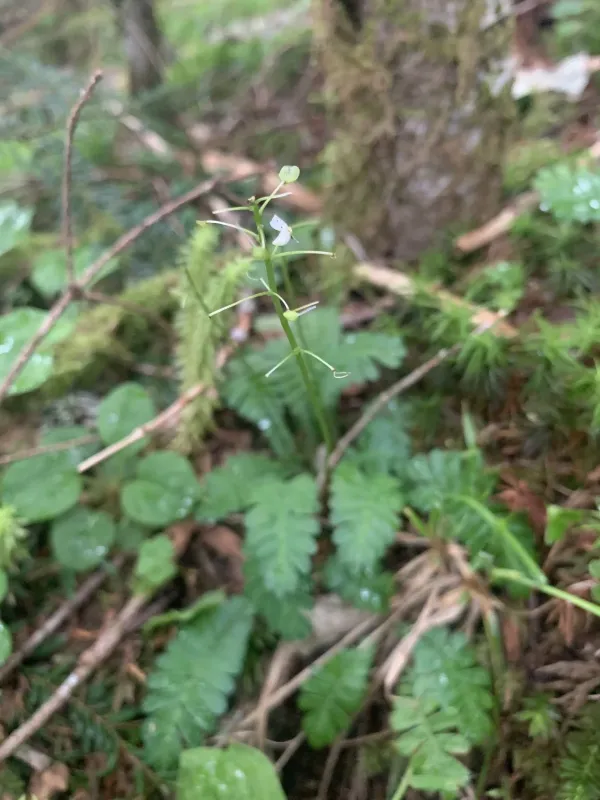
Description
Growing requirements
Pteridophyllum racemosum is a rare, monotypic herbaceous perennial belonging to the Papaveraceae family. Endemic to the cool, mountainous forest regions of Japan, it is highly valued by collectors.
The plant requires specific microclimatic conditions, preferring cool temperatures and deep shade. It does not tolerate heat, making it challenging to grow in temperate regions with hot summers.
The soil should be well-draining, acidic, and rich in organic matter. A mixture of peat, leaf mold, and fine volcanic grit is often used to ensure proper root aeration and moisture retention.
Agrotechnical maintenance focuses on consistent irrigation. Watering must be done carefully to keep the root zone damp without waterlogging, which is a common cause of failure in cultivation.
In terms of usage, it serves as a sophisticated ornamental plant for rock gardens, fern gardens, or specialized shaded containers where its delicate, fern-like foliage can be highlighted.
Main diseases and pests
The most common disease affecting Pteridophyllum is root rot caused by stagnant moisture or poorly structured soil that lacks sufficient drainage capacity.
Slugs and snails are the primary pests that pose a constant threat to the foliage. These mollusks thrive in the same shaded, moist conditions required by the plant.
Spider mites can become a significant problem during warm and dry periods. They damage the leaves by piercing the tissue, leading to a decline in plant vigor.
Fungal infections can quickly spread if the plant is stressed by environmental factors like poor air circulation or sudden fluctuations in temperature.
To mitigate these threats, gardeners should implement regular monitoring and apply organic pest control measures, avoiding heavy chemical pesticides that might damage the sensitive root system.