
Hylomecon japonica
Hylomecon japonica
Description
Growing requirements
Hylomecon japonica, commonly known as the Japanese wood poppy, is a herbaceous perennial belonging to the Papaveraceae family. Native to the damp, forested areas of East Asia, including Japan and the Korean Peninsula, it thrives in cool, shaded environments.
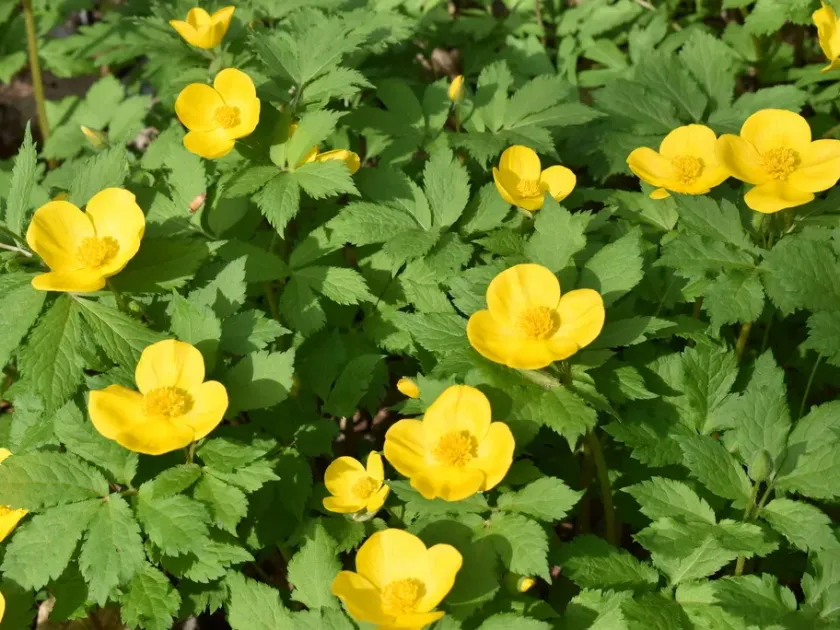
The botanical structure features basal rosettes of pinnately compound leaves and vibrant yellow, four-petaled flowers that emerge in spring. The plant spreads via creeping rhizomes, eventually forming lush, attractive colonies in suitable garden conditions.
Successful cultivation of this species requires mimicking its native forest habitat. It prefers partial to full shade, as exposure to intense, direct sunlight can scorch the foliage and cause the plant to go dormant prematurely during the summer months.
Soil requirements are specific: the medium must be humus-rich, moist, and well-draining. Acidic to neutral soil conditions are ideal. Waterlogging should be avoided at all costs, as the roots are sensitive to anaerobic conditions which lead to rot.
Agronomic management includes maintaining consistent moisture throughout the growing season. While the plant is hardy, providing a layer of organic mulch in late autumn helps protect the rhizomes from temperature fluctuations and prevents excessive drying during the winter.
Main diseases and pests
While relatively robust, Hylomecon japonica is susceptible to fungal issues if the soil remains excessively wet for long periods. Root rot is the primary concern, often triggered by poor drainage or compacted soil structures.
Slugs and snails are the most significant pests, particularly in the moist, shaded areas the plant prefers. These mollusks can rapidly defoliate the plant, necessitating the use of traps or environmentally safe deterrents to preserve the foliage.
Preventive measures include keeping the planting area free of debris where pests might congregate and ensuring adequate spacing between plants to allow for airflow. This helps in managing fungal risks and reduces the attractiveness of the site to damp-loving insects.
In cases of severe infestation or disease, targeted applications of systemic fungicides or specific molluscicides may be required. Always apply treatments early in the season before the plant reaches its peak blooming state.
In terms of economic and practical utility, the plant is highly valued in horticulture. It serves as an excellent ground cover for shade gardens and woodland borders, providing seasonal interest when few other species are in bloom.